What Plant Viruses Can Teach Us About Human Viruses – COVID-19. Over the years, Hazera has acquired knowledge and practices to fight potential pests and viruses that threaten the yields and the quality of our products.
Globalization has driven the worldwide spread of biological material, and with it infectious plant diseases. For most plant viruses, there’s no cure – only prevention. Many of the measures used to fight human viruses, like COVID-19, are also effective against plant viruses. Effective disease management starts with knowing your pest, and then applying reliable and professional detection methods to catch diseases early. This includes employing a robust methodology for sampling and monitoring the affected plant population.
MDM: A key preventative approach
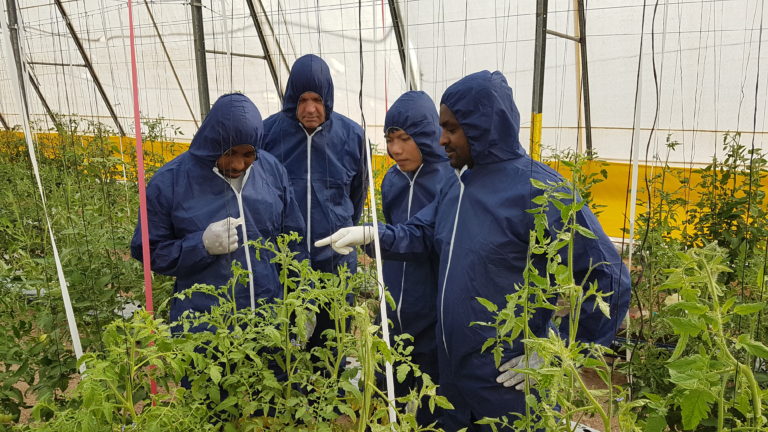
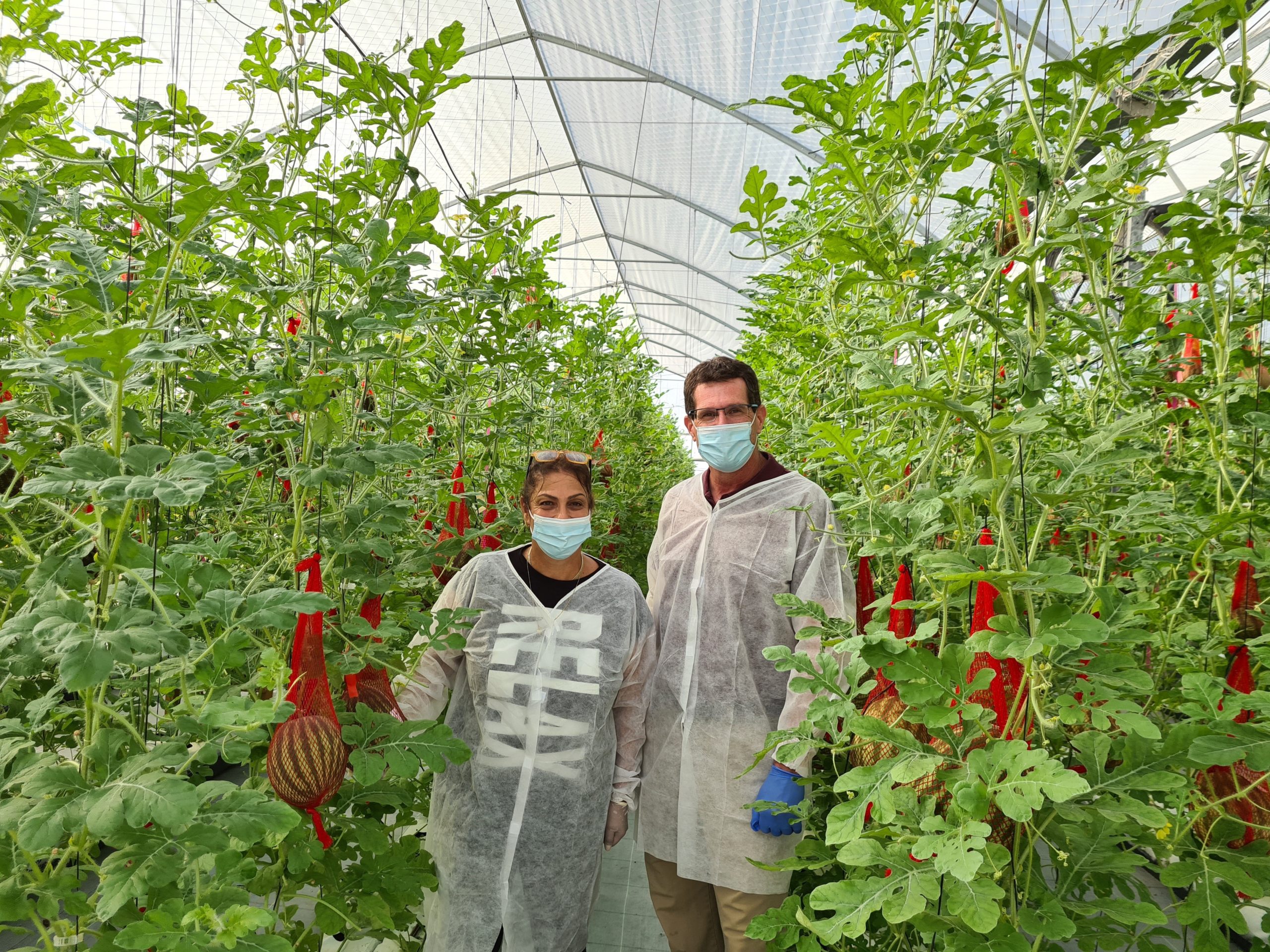
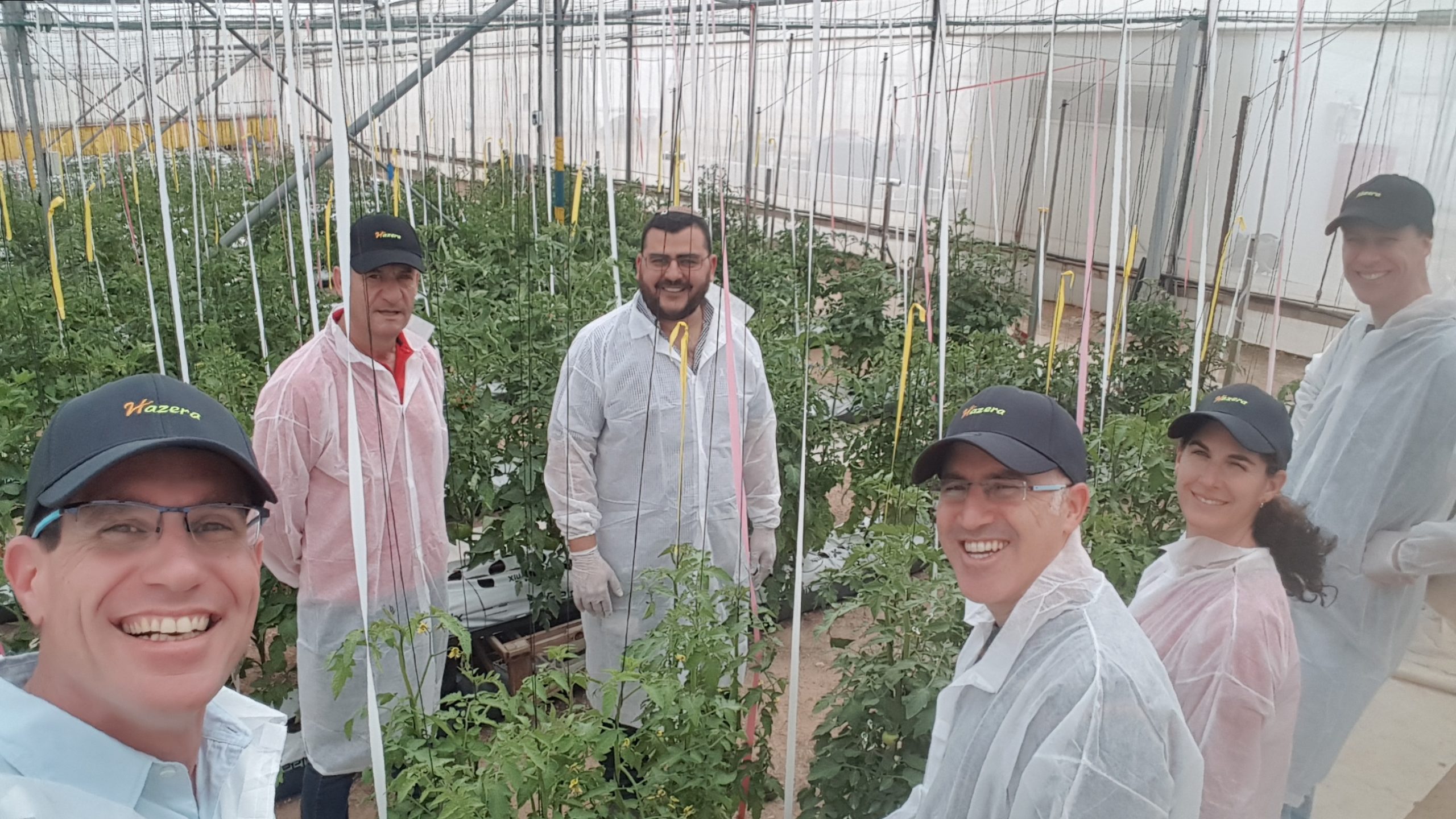
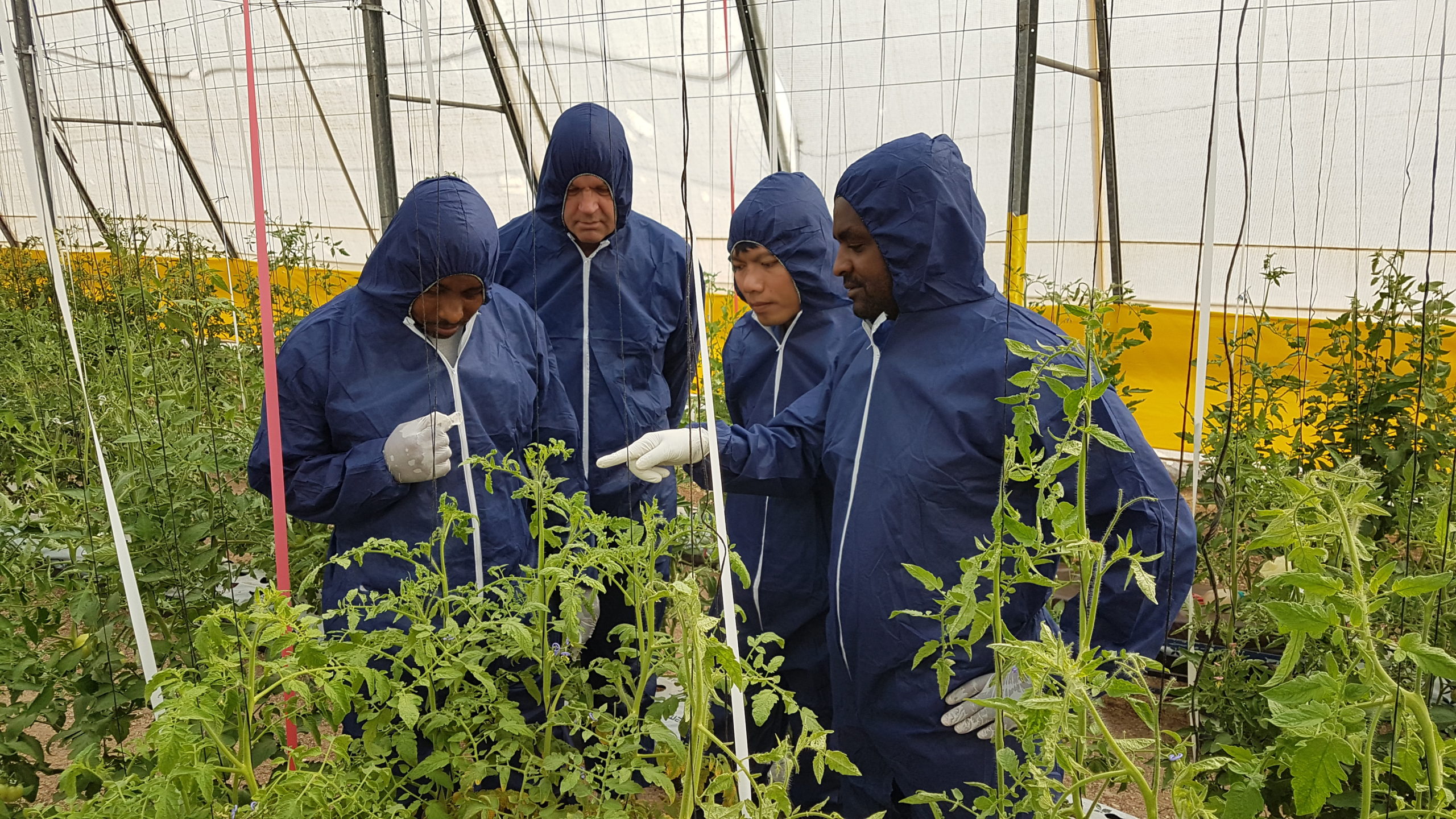
However, the most effective strategy is always avoidance or prevention through proper hygiene. This means taking steps to prevent the virus from spreading via contact with surfaces, clothing, tools – and even smartphones. At Hazera, we advise taking the following preventative approach, known as MDM: Measures – use of disinfectants, gloves, coats, masks, coveralls and additional protective steps Discipline – everyone follows the guidelines and instructions strictly and precisely Management – the process is led by professionals backed by the full commitment of the top administrative level
The MDM strategy depends on the firm commitment of all those involved. Just one person not complying can be enough to cause an outbreak or the secondary spread of a disease.
Hazera’s experts are happy to provide more information on preventing viruses and diseases in your crop. Do not hesitate to contact us.
Agronomic practices to improve crop management and increase yield
Posted on Aug 30, 2021
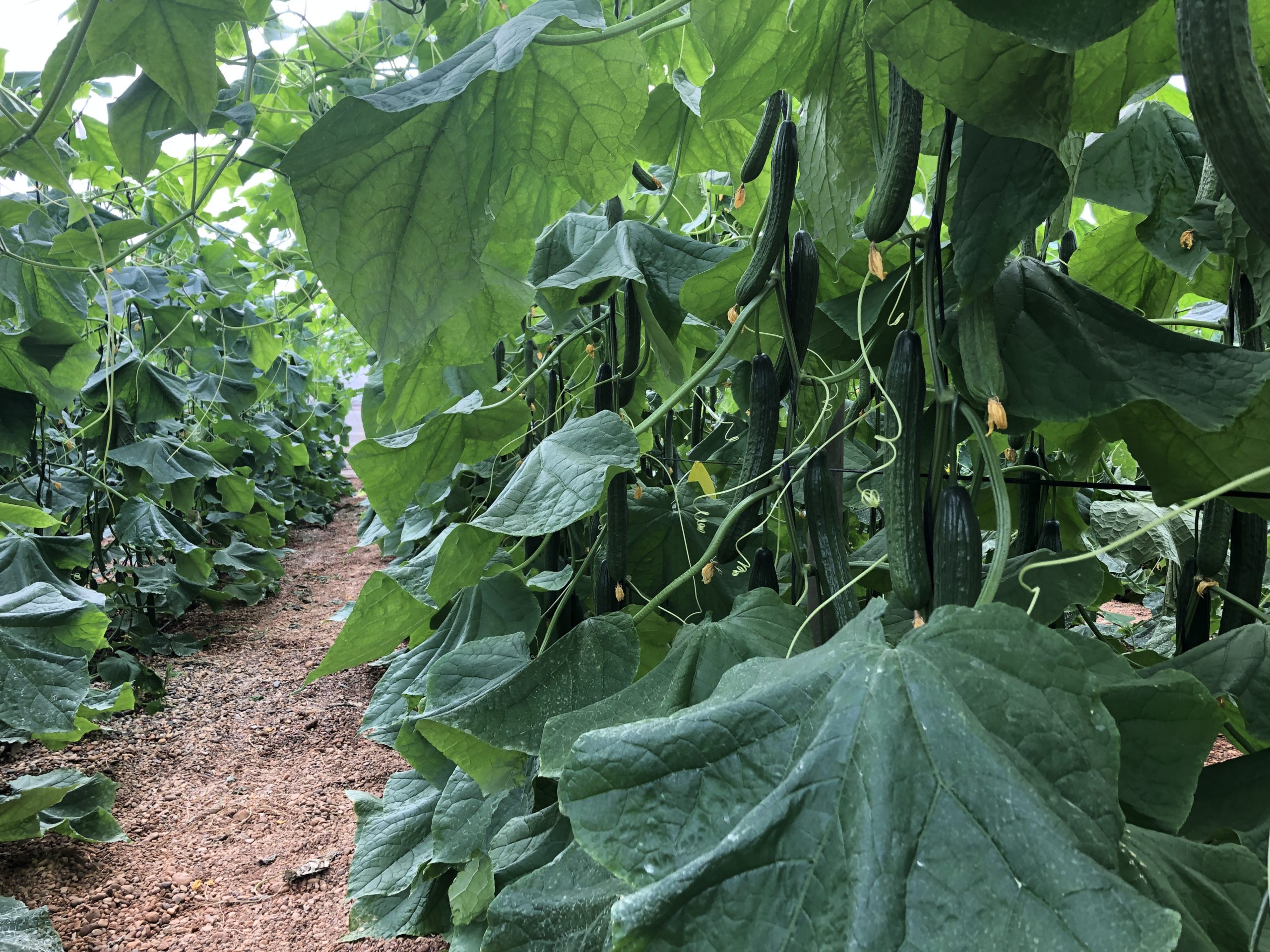
The production of greenhouse cucumbers has expanded rapidly over the last years. Greenhouse cucumbers can be one of the most productive crops. However, this productivity relies on precise control of irrigation, plant nutrition, and the growing environment, in addition to the effective management of pests and diseases. Greenhouse cultivation of cucumbers has many advantages over regular, open-field cultivation. In this article, we will discuss some of these advantages and the need to prioritize cucumber production under greenhouse cultivation. (more…)
How to minimize crop loss and reduce the financial impact of disease on cucumbers?
Posted on Aug 30, 2021
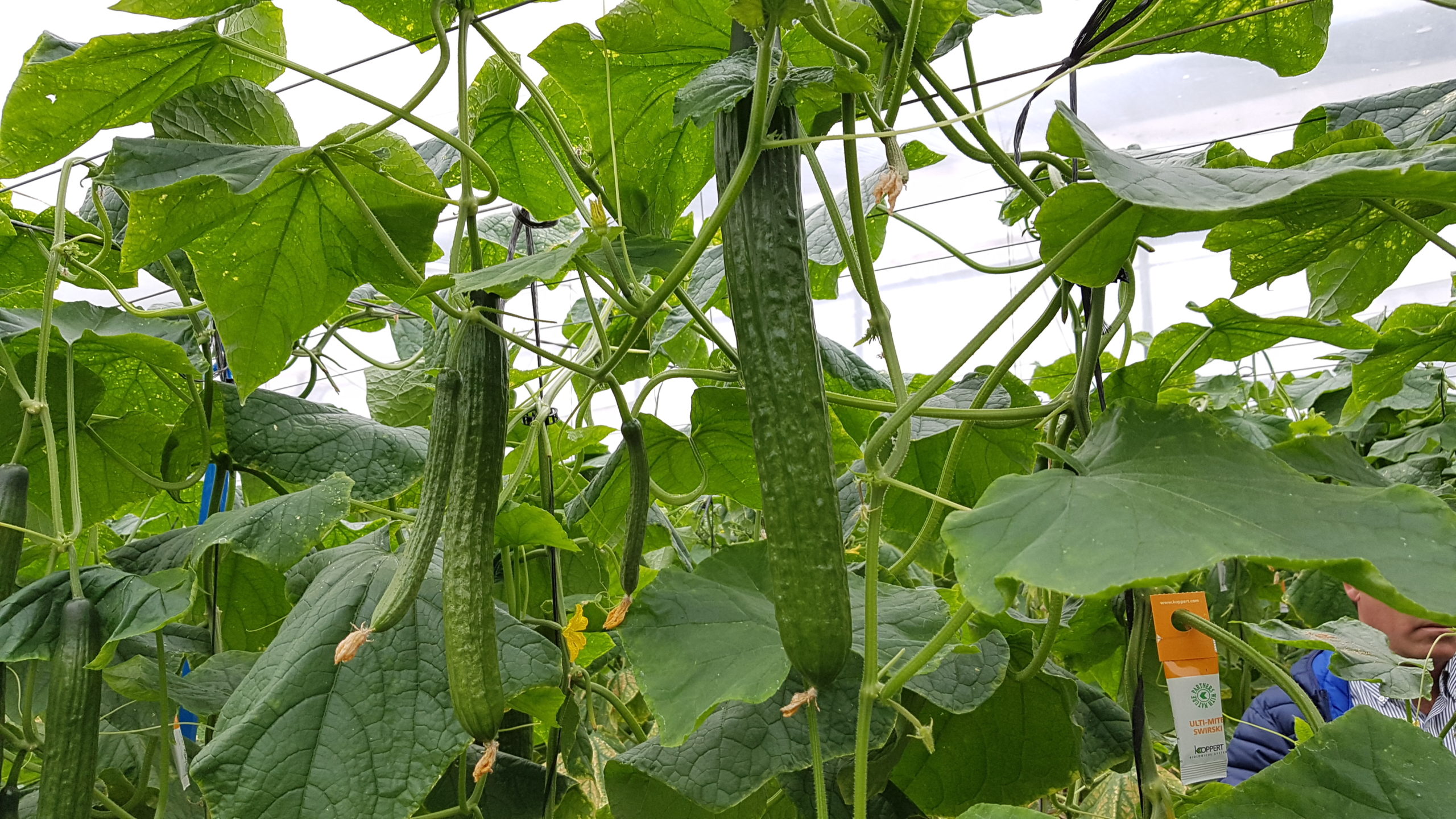
Discover how to recognize the symptoms of ToLCNDV, a new cucumber crop virus spreading rapidly across the Middle East and Mediterranean region and how to control its spread. (more…)
Technological and Agronomical Tools for Optimum Growth (Part 1)
Posted on Aug 30, 2021
“The work in the greenhouses, the experiments, and responding to the needs of the Breeders are among the most complex phases in the process of breeding our varieties.”
Interview with Elad Shalit, Global R&D Operations Director, Hazera
In Hazera, a global company which breeds, develops, produces and markets variety of vegetable seeds for growers around the world, the production of seeds for research and development (R&D) is an extremely important part of the process. In order to maintain the continual launch of new, improved vegetable varieties, it is necessary to ensure that the seeds, of the desired quantity and required quality, will arrive at their testing destinations on time. Fruited vegetable varieties are usually targeted to one of the two seasons, Spring or Autumn. One main challenge is to produce seeds during the “counter-season”, opposite to the season targeted for variety trials, since it is not optimal for variety performance. This is not a simple task, and requires a high level of flexibility, agility and creative innovation.
We met with Elad Shalit to hear about Hazera’s R&D Operations, which is an essential part in the successful development of high-performing vegetable varieties. We learned how complex the process is and how it is integral to the advancement of their varieties in the market. Operations is the platform that facilitates the advancement of new varieties by Breeders and Scientists and Trial Managers from concept and genetic material through different growth processes to execution of performance trials in the target markets.
Elad is Hazera’s Global R&D Operations Director for greenhouses and open fields. He is responsible for 11 R&D sites around the world, with the main Breeding & Research centers in Israel and Holland.
“The work in the greenhouses, the experiments, and responding to the needs of the Breeders are among the most complex phases in the process of breeding our varieties,” says Elad.
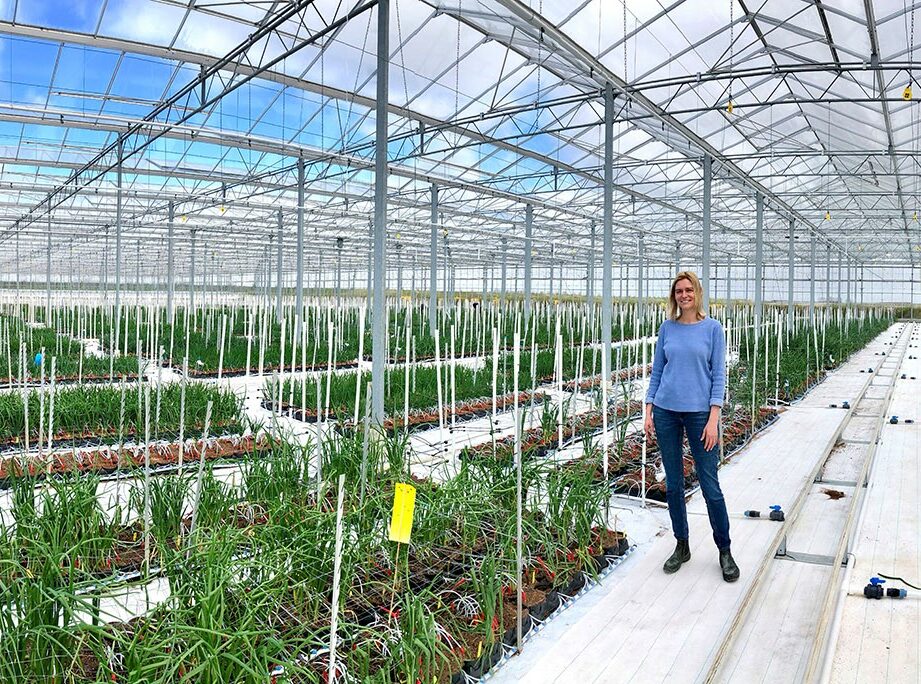
The farm in Israel for breeding vegetable varieties covers an area of 24 hectares and has numerous greenhouses and other structures of various sizes, as well as the technological means to provide accurate growing conditions for each variety. “We supply seeds from Operations on time and in the required quantity, facilitating trials according to the climatic conditions of the different destination countries to which we export after the breeding process,” says Elad. Hazera’s advanced technological capabilities enable the company to improve breeding conditions and accelerate development timelines for the introduction of new and innovative traits to the varieties, for improvement of product quality, horticultural performance, resistance to diseases and other pests, and tolerance to stresses.
As part of the Limagrain Group, Hazera benefits from collaborations in Operations and other functions which augment technological capabilities and enable implementation of systems and processes that have already been tested by Limagrain. Limagrain defines high standards for all of its sites worldwide, including environmentally-friendly farming models, reduction of impact on the ecosystem, employment and labor practices, and more. These norms that have been implemented in Hazera operations at all stations, and in accordance with the requirements of each country.
The first phase of the breeding process maps the target market and its needs, and identifies characteristics of successful varieties and key players. In a second phase, the Breeders and Scientists study the genetic material available for that market and compare it to the varieties already in the market, to design and develop the type of product that can have impact. Operations then goes into high gear to help provide the best approaches for the opportunity. It works continuously with the Breeders to prepare and provide the best quality hybrid seeds needed for testing, selection and demonstration: for the target market: choosing optimal growing methods, controlling the process, and sending seeds to the destination country for the performance and demonstration trials.
Adapting the Growing Conditions to Its Genetics
One of the roles of Operation is to adapt the growing conditions to the needs of the crop: greenhouse type and size; ventilation, heating, cooling and irrigation conditions; fertilization; type of medium (soil type or soil-less medium). All these are intertwined, and the process must be closely monitored while ensuring the conditions are adapted optimally to the plants.
Another variable that affects conditions is genetic diversity. For example, one R&D greenhouse may have up to 1,000 different varieties and the genetic diversity may require different conditions for each variety. The processes in this case must accommodate this variability to ensure success in growing the plants.
Operations Team
The large variety of crops and the flexibility required to adapt the varieties to the target markets pose a great challenge for Hazera’s Operations. Success in managing these demanding requirements is very much dependent upon close cooperation between Operations and the Breeding Department, and collaborative support of R&D Laboratories and Quality Assurance Testing throughout the entire process.
“The vast experience of our teams is the foundation for the development of our processes to comply with the breeding requirements. Professional expertise, in-depth knowledge of the genetic materials, and interchange of innovative ideas lead to improved quality and efficiency,” says Elad Shalit.
Seeds Health
“During the production process, it is very important to maintain the genetic material free of any disease, and for that reason the greenhouses are treated like fortresses,” continues Elad. “Since any contact with the plants with our clothes or hands can leave infectious residues for some diseases, which can be transmitted onwards (similar to the current global COVID-19 pandemic), the rules for entering the site are extremely strict. There’s also frequent pest control, as pests can also be vectors that carry disease. We also sample the plants (leaves and seeds), to assess their health status, before seeding, during the growing and after picking. All of these measures enable us to maintain a clean phytosanitary environment that acts as an isolated island or fortress,” he says.
Nursery
“Hazera is not a commercial nursery; however, we want to maintain the genetic material in the company, so almost all seedlings come from our own nursery. During the breeding process, our nursery provides seedlings also to external growers and to the breeding greenhouses, all year round,” says Elad.
The nursery is equipped with all the systems required in a commercial nursery, including automatic irrigation, fertilization, and crop-management systems, and has the ability to grow plants with strong root and shoot systems. All these enable the nursery to produce healthy seedlings for transplanting in greenhouses and fields. Then, due to phytosanitary reasons, once a seedling is moved out of the nursery (transplanting, sampling, etc.), it cannot be returned.
Safety
Last, but not least – Safety is regarded as an integral part of Hazera’s culture. Operations is a very interesting department, as it involves a wide range of activities, automation mechanisms, processes, and infrastructures. “Our scope of operations and work conditions demand that we pay careful attention not only to the plants but also, and in particular, to the people doing the work, our teams,” adds Shalit. “We frequently conduct safety and risk surveys with professionals and our teams, invest in theoretical and hands-on training of our employees, and encourage them to report risks, malfunctions and hazards. We are all committed to the highest work standards. We do not save on expenses and improvements to ensure a safe work environment.”
Stay tuned for the second part of this article to be further focused on the technological breakthroughs implemented, that will be published on Israel Agri.
What Plant Viruses Can Teach Us About Human Viruses – COVID-19
Posted on Aug 30, 2021
Written by: Dr. David Levy,
Plant Pathologist, Hazera
Globalization of our world over the past several decades has driven a huge increase in the global movement of biological material, providing numerous opportunities for the spread of diseases in a relatively short time. (more…)
Hazera’s Official Training Video: Tomato Brown Rugose Fruit Virus (ToBRFV)
Posted on Aug 30, 2021
We are happy to present Hazera’s training video and sanitation guide for dealing with the new ToBRFV virus.
The purpose of this video is to assist growers and farmers to gain a better understanding of the ToBRFV virus, and to share some practical advice and active measures for eradicating the growth of this virus through the use of stringent hygiene and highly effective sanitation. (more…)
Lettuce Tip Burn Relation to Environmental Influences
Posted on Aug 30, 2021
At the Hazera open day for lettuce growers held on the Berurim farm in mid-December 2015, Hazera Lettuce Breeder, Amos Nir, gave a talk on the causes of Lettuce Tip Burn and offered some solutions for both field and hydroponic varieties. (more…)
How to protect tomatoes from the effect of the heat
Posted on Aug 30, 2021
Question
I am a farmer from Ethiopia. I have a problem growing good quality tomatoes because of the heat in my farm. How could I protect the tomatoes from the effect of the heat?
Abu Feyissa