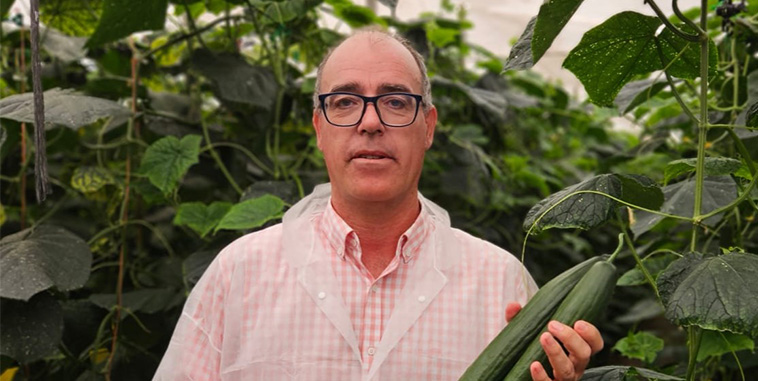
Meet the people behind the crops: Federico Puyo

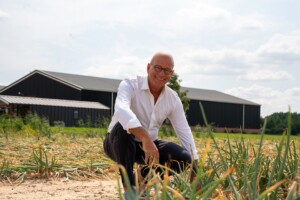
At Hazera, we are proud of our dedicated team, which works passionately to provide our growers with the best products. While we tend to put our products in the headlines, it is the Hazera team who are behind our success. Let’s shine the spotlight on Federico Puyo (52), Product Manager for Long Cucumbers and Blocky Peppers from Almeria, Spain.


Federico Puyo, Product Manager for Long Cucumbers and Blocky Peppers, lives in Almeria with his wife and two kids. He studied agronomy and has been working in the agricultural industry since 1994. He began his career as an advisor in crop management for local companies in the fertilizers and fruit trees business. After 25 years, Federico decided to return to his roots and work with vegetables. He joined Hazera five years ago and with his empathy, expertise, and curiosity he has been a valuable team member since.

What is a common myth about your field of expertise?
“A common misconception about the seed industry in general, which I also had myself, is that creating and breeding new hybrids is not a complicated process. But since I started working as a product manager, I learnt that I couldn’t have been more wrong about it.” Admits Federico. “Turns out, producing seeds is quite complex. Especially nowadays, as there is a need to develop global varieties that can thrive in various conditions and markets.”

In your opinion, what is the most important strength someone needs to be successful in your job?
“I think empathy and willingness to help others are very essential skills a product manager should have. At the end of the day, it’s not just the company that matters, but the people within. In my position, it is important to have empathy because you need to understand the challenges and needs of different departments and people like breeders, sales, and marketing. You need to be able to combine the various perspectives and work together towards a common goal. And of course, to do this, you also need to be curious, need to be engaged with different departments within and outside the company to learn and understand what they do. Then you have the full picture, and you are of better help.”

Tell us about a project you’re proud of and why.
“I can highlight two things I’m proud of. One is the mini seedless watermelon project I’m involved in with some colleagues from Marketing and Fresh Chain. I’m very proud of being part of this project because, despite all the difficulties the team is facing, we are taking a position in the market step by step. The other thing to highlight is related to my crop, long cucumber. I take pride in transforming the perception of Hazera in the Spanish market. At first, Hazera was viewed as a tomato company, but the reputation of our long cucumbers is growing more and more, and growers are curious about our varieties.”
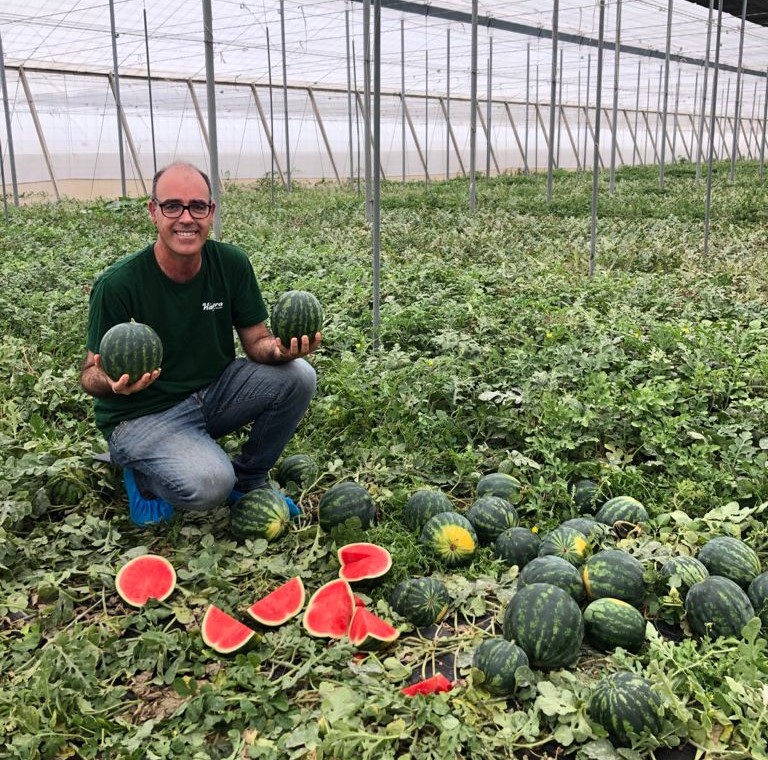
Federico Puyo

What does “Hazera- Growing Together” mean to you?
“As I see it, Growing Together has two parts. One part is Growing Together internally, as I mentioned, being empathetic and curious and working as a team with colleagues. I might not be so knowledgeable in other crops, but I keep an open mind and try to connect with my colleagues and learn from them.” Federico smiles. “In the end, we are one team, and we need to have the same mission. Growing together externally means that we need to collaborate with our external partners and customers, understand their challenges and try to find solutions to help them. So, growing together is not only a benefit for Hazera but also a global benefit.”

Tell us something about yourself that most people do not know.
“Not many people know, but I would like to set up a tapas bar when I retire. My wife is not convinced yet of this idea.” Federico laughs. “But I’d love to own a tapas bar, where I can talk with the people who come in. And of course, drink a beer or two with them.”

Do you want to stay connected with our Hazera people?

Follow us our social media channels to stay connected with our Hazera people! If you have any questions left, don’t hesitate to ask them via our contact page!

ZiMMan

ZiMMan: The Cucumber Champion

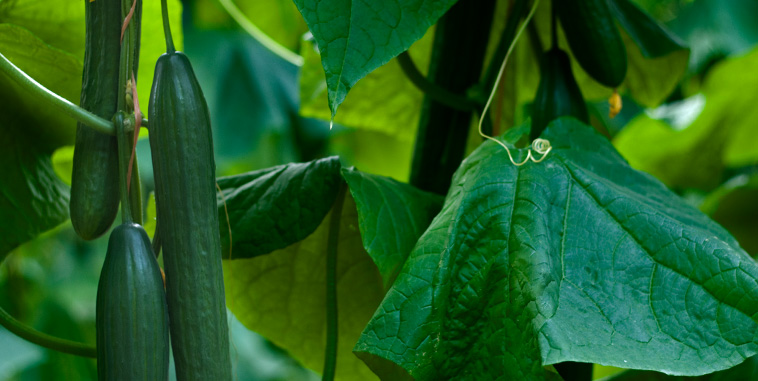
Hazera’s Long Cucumber breeding program, initiated around ten years ago, is still relatively new. This makes it even more impressive that at such an early stage of the program, our team was able to breed ZiMMan, a variety that responds exceptionally well to new environmental stress factors like climate change, water salinization, and new plant viruses.


In the ever-evolving field of agriculture, with increased environmental challenges, Hazera needs to produce versatile varieties. ZiMMan is the first variety developed with this in mind. It is a notable addition to the Hazera cucumber portfolio, designed to tackle these challenges, with a main focus on fighting against the new plant viruses, especially CGMMV.

Zimman

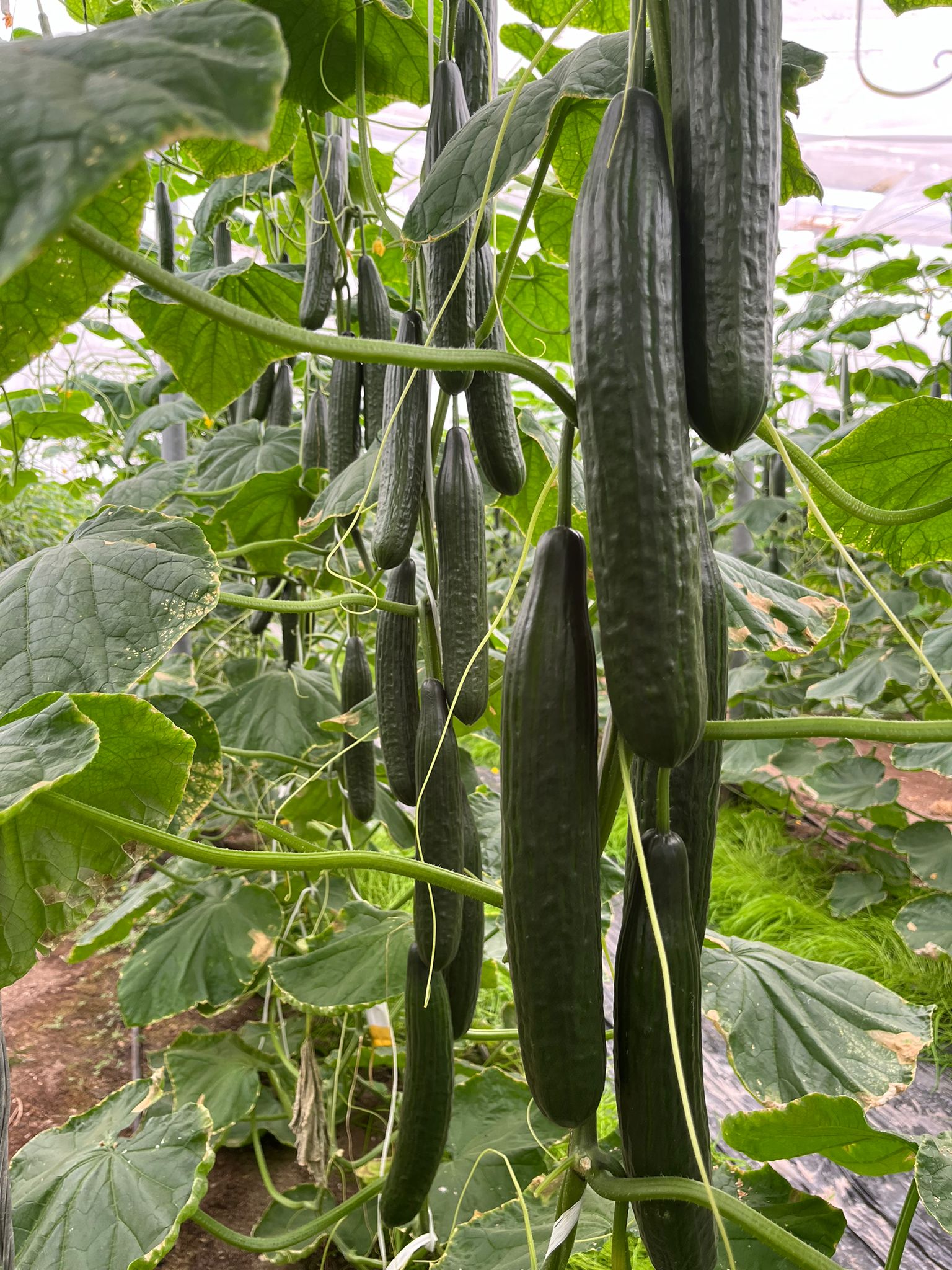
ZiMMan was launched in Spain, a key market for Long Cucumbers. But its adaptability to thrive under hot conditions, high yield, and comprehensive set of resistances (CYSDV, CVYV, CGMMV, Px) make ZiMMan a resilient and reliable choice for growers worldwide.

“The team started to develop ZiMMan around four years ago and within its first commercial year, ZiMMan achieved a 10% market share of the Spanish market in seed quantity. I’m impressed and proud of the team that they were able to achieve this level of success in such a short time with our cucumber breeding.” – Federico Puyo, Product Manager for Long Cucumber.

Moreover, ZiMMan showcases Hazera’s commitment to innovation and excellence, offering several key characteristics that ensure its adaptability to diverse growing conditions and environmental stresses:
Strong Root System: Ensures the plant’s resilience and ability to withstand stress.
Dark Fruit Colour: Indicates a healthy and visually appealing crop.
Plant Structure: Promotes optimal growth and productivity.

With investing the expertise of its team, Hazera is on a journey towards cultivating stronger and more resilient cucumber varieties.

Would you like to learn more about ZiMMan or our cucumber breeding program? Feel free to contact us.

How the ToBRFV varieties changed the tomato market in Spain

ToBRFV, Tomato Brown Rugose Fruit Virus, is a constant threat to growers worldwide as it significantly reduces yields, affects the quality of the fruit, and systematically infects other plants. It is a very transmittable virus that can infect through soil, tools, water, and people’s contact. Hazera has been tackling this threat with its ToBRFV IR varieties- the optimal balance between protection and performance– which provide growers with an effective tool to face the highly infectious virus.

Alfredo Mesa, Product Manager for tomatoes tells us how the ToBRFV varieties changed the tomato market in Spain.


Can you give an overview of the market before the presence of the ToBRFV resistant varieties?
“Not all the markets have reacted the same way to the virus. In the first markets with virus-infected tomato crops, growers needed to adapt to the situation without resistant varieties. From doing one long cycle per year, they moved to two cycles. Others were searching for varieties with field tolerance. Growers realized that they needed resistant varieties as their “tolerant” varieties were not strong enough anymore due to the increased level of infection, so the seed companies started to release resistant varieties. These markets needed to be open to change their traditional varieties to new resistant ones because the growers were not willing to try anything without the resistance.”


How did the new virus impact the market?

“All markets were impacted differently, depending on when the virus appeared. It seemed to have affected more greenhouse production than open fields. The more intense the agriculture system was, the more impact the virus had on that market. Another change in the market was the change of susceptible varieties to resistant ones. However, the cultivated tomato area has not decreased yet.”

How did the new virus impact the growers?
“Growers suffered from marketable yield loss. They needed to finish their crops earlier, sometimes even two months earlier than they used to, leading to shorter growing cycles. It was necessary because the virus weakened the plants by reducing the foliar area. If the infection starts in young plants, growers must pull out the plants and start again if possible. If not, they need to move to other crops.”

How did Hazera develop its varieties?
“Hazera has been researching and investing massive resources and working for over ten years side to side with our growers/partners to develop a good resistance level without compromising the performance of the current varieties. Breeders, phytopathologists, and genetics worked together, implementing state-of-the-art tools and technologies to speed up the discovery and implementation stages. Thousands of sources were screened looking for potential sources of resistance against the virus. New phytopathology bioassays were developed to confirm and validate the potential sources found. Then parental lines and further hybrids carrying the resistance against the virus were developed and hybrids were deployed in a vast network of trials in the different markets worldwide to confirm both the resistance against the virus and the agronomical performance. Only varieties combining both Resistance and Performance were promoted to the next stages.

Which ones are the dominant varieties in the Spanish market?
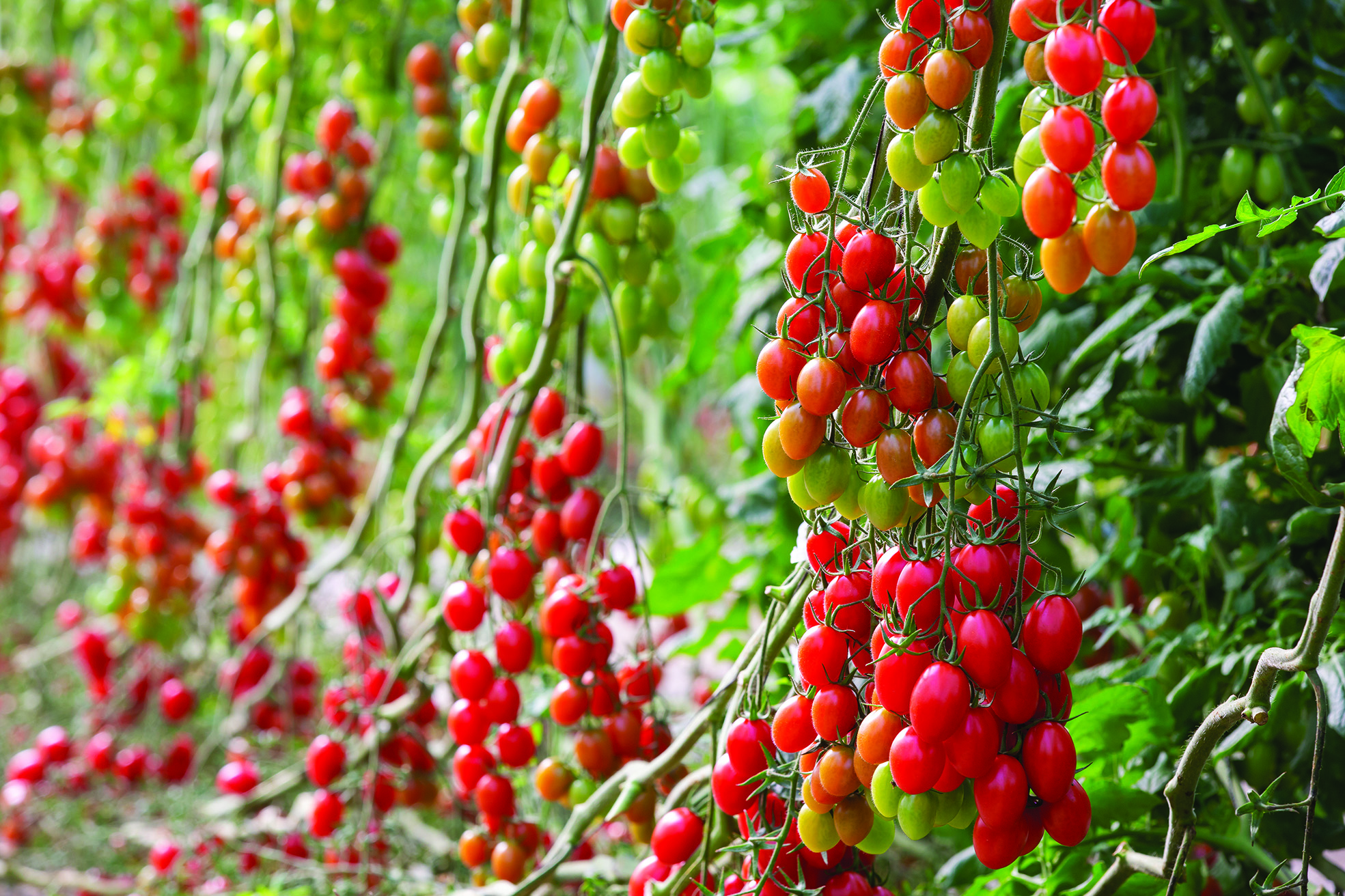
“Depending on the typology. For example, nowadays, the Mini Plum varieties, like Pendragon, and Windsor are the more common ones. They have a high performance in all markets and all seasons. Both are very productive and outyield most of the competition, even more so when ToBRFV is present. They also make the harvest process very efficient as the fruits from two and three clusters could be left in the plant and harvested at once. Shelf-life of the fruits is also very good, which allows the harvest to be very efficient. Growers who didn’t have problems with ToBRFV are still very satisfied with Camelot. In segments where new ToBRFV-resistant varieties are not performing well, such as cluster typologies, growers stick to their traditional varieties. Additionally, some plantings, particularly those in November-December with short cycles and no virus present, serve as opportunities for growers to test new ToBRFV-resistant varieties as a precaution.”

What are the main benefits of these varieties?
“If I had to narrow it down, I would highlight the following characteristics:
– High yield potential with very little waste in the field and retail.
– Good quality fruits if they are harvested at the right time in terms of maturity with extended shelf-life.
– Good resistance to ToBRFV infection.”


What are the tomato growers looking for today?

“They look for resistance and performance, which means that fruits and plants do not show symptoms of infection, and at the same time, the varieties perform over the minimum standards of yield, size, quality, etc. First, of course, they look for resistance, but after testing what the seed companies are presenting with resistance, they request high performance. Hazera will not release inferior varieties.”

How are the Hazera ToBRFV-resistant varieties perceived in Spain?
“Hazera did not only contribute with varieties with good levels of resistance and performance but also with education on dealing with the virus. The Hazera team did their research and communicated their findings to the growers, technicians, and agricultural advisors. The Hazera team had a clear message that the best strategy to prevent the virus infection is to start the crop with a clean and disinfected structure and ground, then use resistant varieties, and finally, use the best practices when working in the greenhouse.”

How are Hazera’s efforts recognized?
“The growers recognize the effort done by Hazera to help them overcome the new threat/virus. They can see the difference between susceptible and IR-resistant varieties. They know that Hazera varieties are reliable, and they are confident. The proof is the many phone calls we receive requesting information and seeds for our varieties. We are a reference in the fields because we are the ones who talked about the virus to them even before they knew that they have the virus in their greenhouses.”

Would you like to learn more about the market in Spain or have other questions? Contact us!