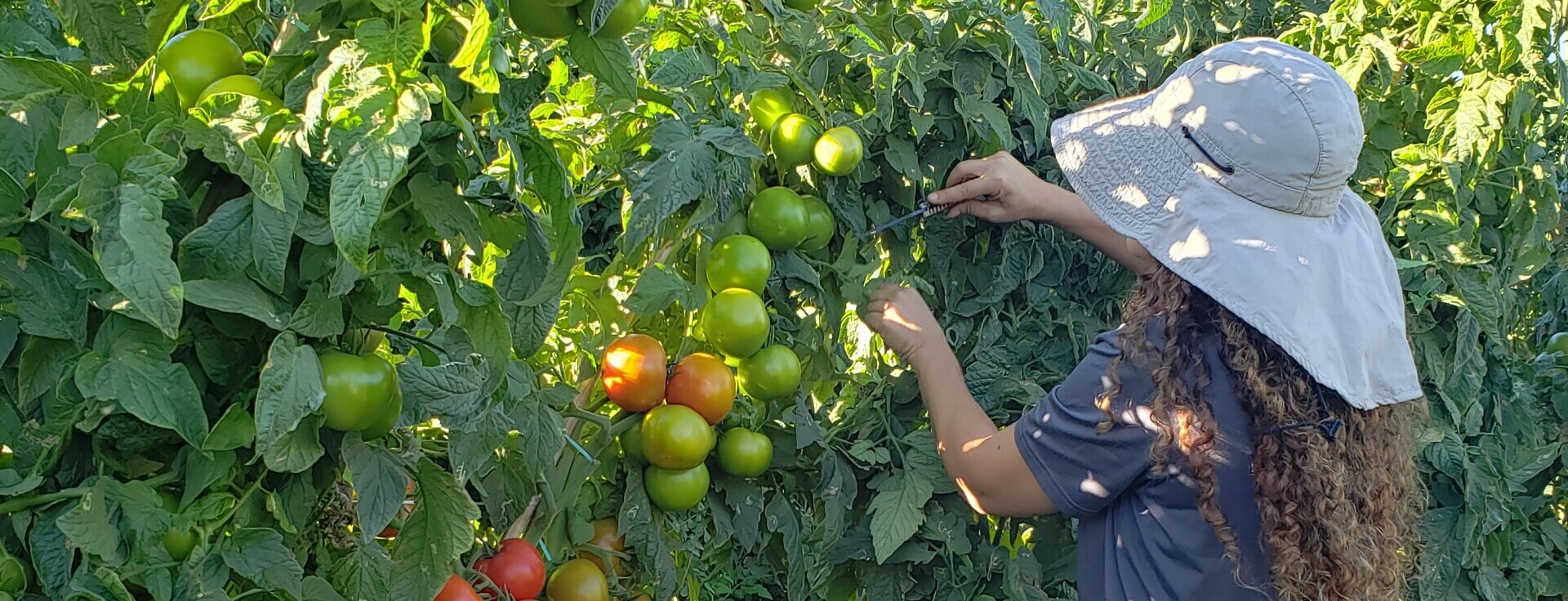
Meet the people behind the crops: Netta Doitch

In Hazera, we tend to put the spotlight on our successful products, yet their success starts with the People of Hazera: the truly committed and passionate experts who make it all happen on a daily basis. Meet Netta Doitch (43), our Global Lead Tomato Breeding from Mefalsim, a small Kibbutz in the southern part of Israel. It seems as though it was meant to be- the daughter of a flower and strawberry farmer, Netta (meaning “a young plant” in Hebrew), was destined for a life in agriculture.
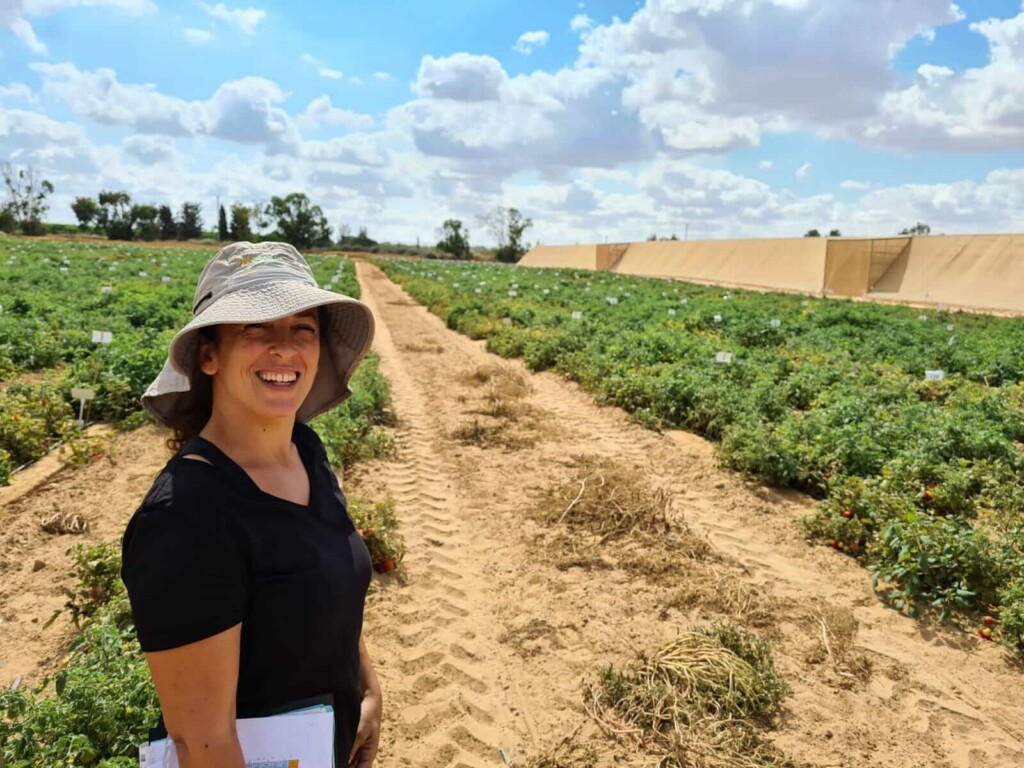

Netta in person

Figure 1- Netta Doitch, Global Lead Tomato Breeding Hazera

When she was young, she gladly helped her dad around the farm and without knowing it performed “cuttings” from a very young age, removing a small part of the plant’s stem, and replanting it together with a “rooting hormone”, to receive a genetically identical plant. “I always enjoyed agronomy and loved visiting agricultural events. When I was in high school, I recall reading in the newspaper about a successful “breeding” of red and blue bananas and decided, even though I did not know what “breeding” was, that this is what I wanted to do for a living. Netta went on to get her Bachelor of Science in Agriculture with specialization in Genetic Breeding and Biotechnology and later fulfilled her dream to become a breeder, doing so with a true feeling of love and chosen destiny.

Netta has been with Hazera since 2009, when she started out as Tomato Breeder Assistant. Two years later she became an Associate breeder and led the determinate heat set tomatoes and indeterminate round open field tomato projects. Approximately 12 years later, she is now, the Global Lead Tomato Breeding; and amongst her many projects she also leads the breeding projects of the Indeterminate Round Open Field (IROF) tomatoes.

“What is a common myth or preconception about your job or field of expertise?”

“It seems as though everybody believes that breeding ruins the taste in vegetables”. Nowadays she just explains to whoever asks that she works in Tomato Genetics without transgenic interference.
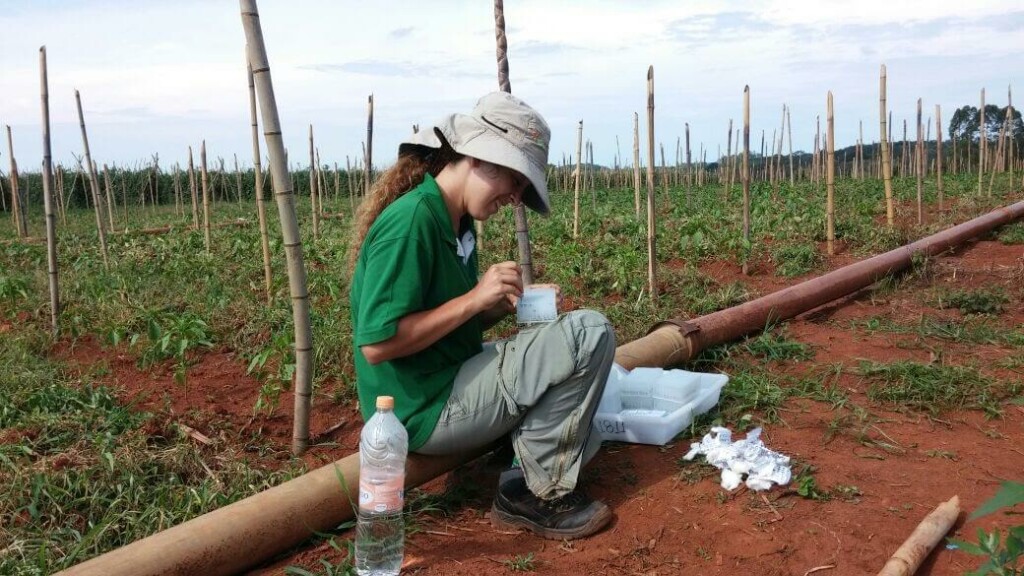
simply working in tomato genetics

Figure 2- Simply working in “Tomato Genetics”

“In your opinion, what is the most important personality trait/strength someone would need to work in your industry/be successful in your job?”

According to Netta, being a good breeder requires super focus on the goal, you have to ‘breathe’ breeding every day, the plant dictates your work and not vice versa. Netta also highlights the constant change of environments in a breeder’s life: “You can say that I wear two hats: “In winter, you can find me all neat and dressed up in office clothing, whereas in summer you could hardly recognize me, as I’m all covered in plant parts, soil, and remains of tomatoes.” In other words, you have to be highly adaptable and “passionate” about your field of work.
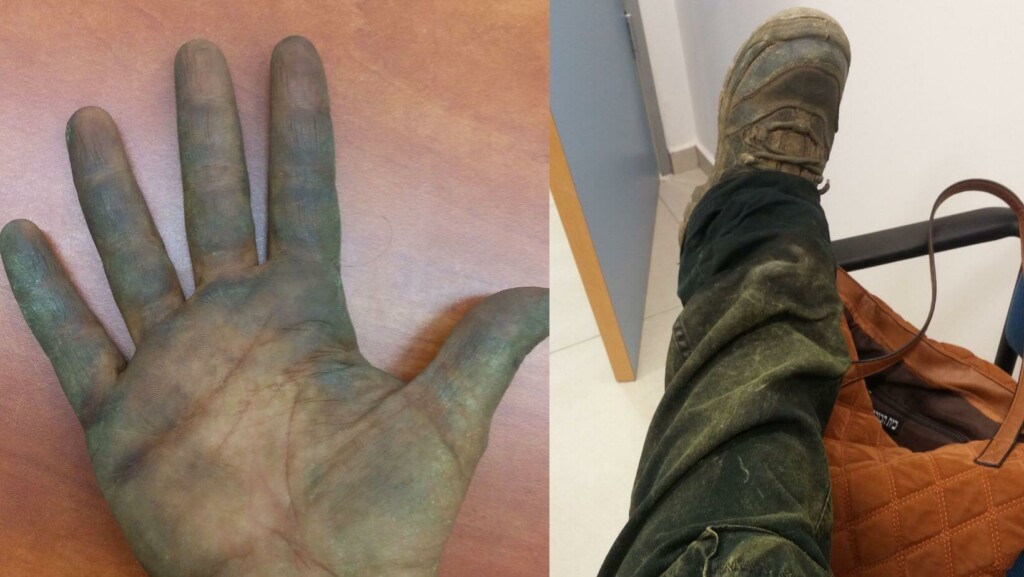
a day in the life of a breeder

Figure 3- A day in the life of a breeder

“Tell us about a project you’re really proud of and why”

“I’m really proud of our Giga tomato, part of the IROF project in Brazil. When examining where we started and where we are at today, it is truly amazing!”. In the beginning of the project, we started out with zero resistance but very strong and vegetative plant genetics. The genetic change and adding the required disease we achieved was truly significant. The variety Giga in Brazil has excellent firmness, size, and unique array of resistances.
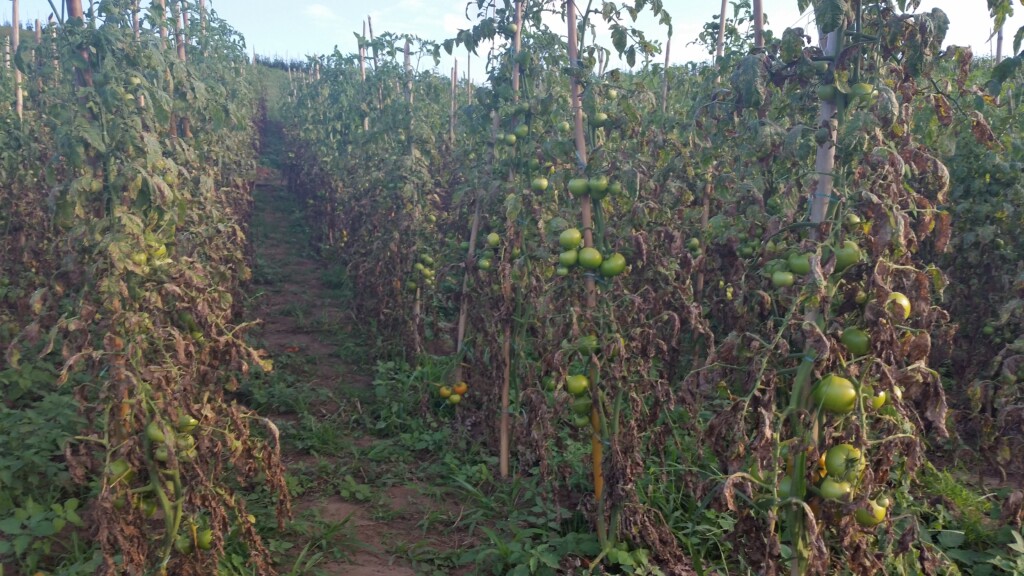
Burned field of tomatoes

Figure 4- Project start: totally burned plants in Brazil

We went from totally “burned” plants, changed the selection method and started doing selections in the region, which was a major change in the way we work.
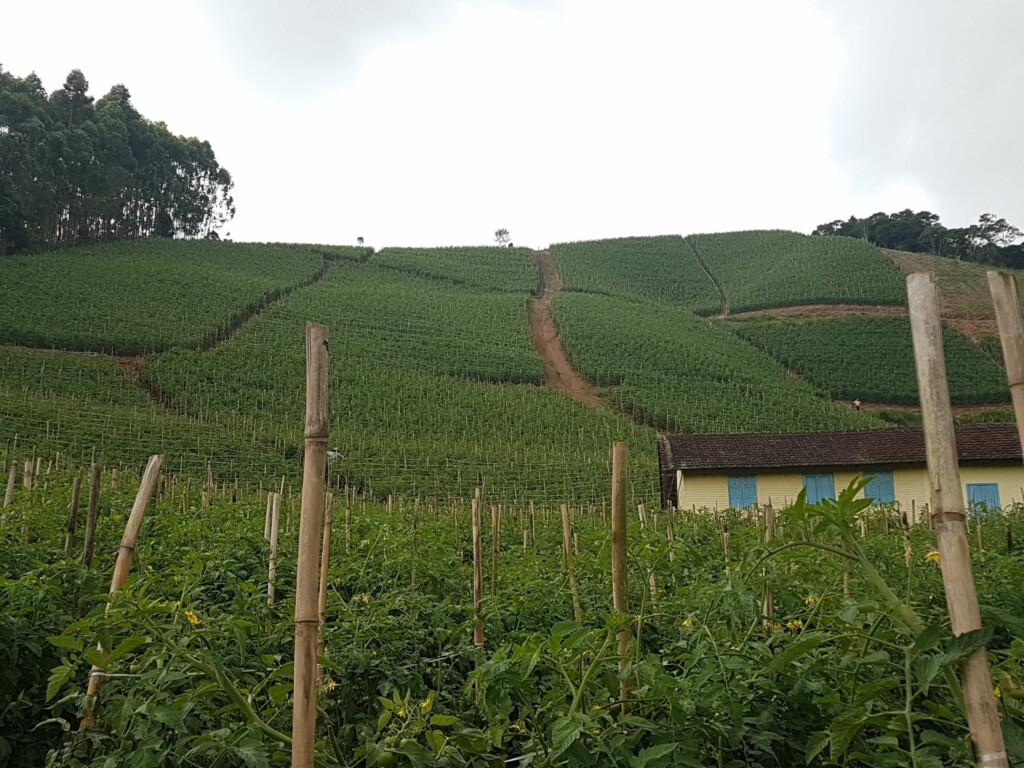
green field

Figure 5- One of many hybrid evaluation field trials. Brazil 2012

For more than ten years, together with Arno Van Staden, Tomato Regional Product manager in Marketing, we studied the Brazilian market and trends ,we built a breeding platform in Brazil from scratch which gave us the boost for high level of Xct-resistant plant without compromising all other quality traits.
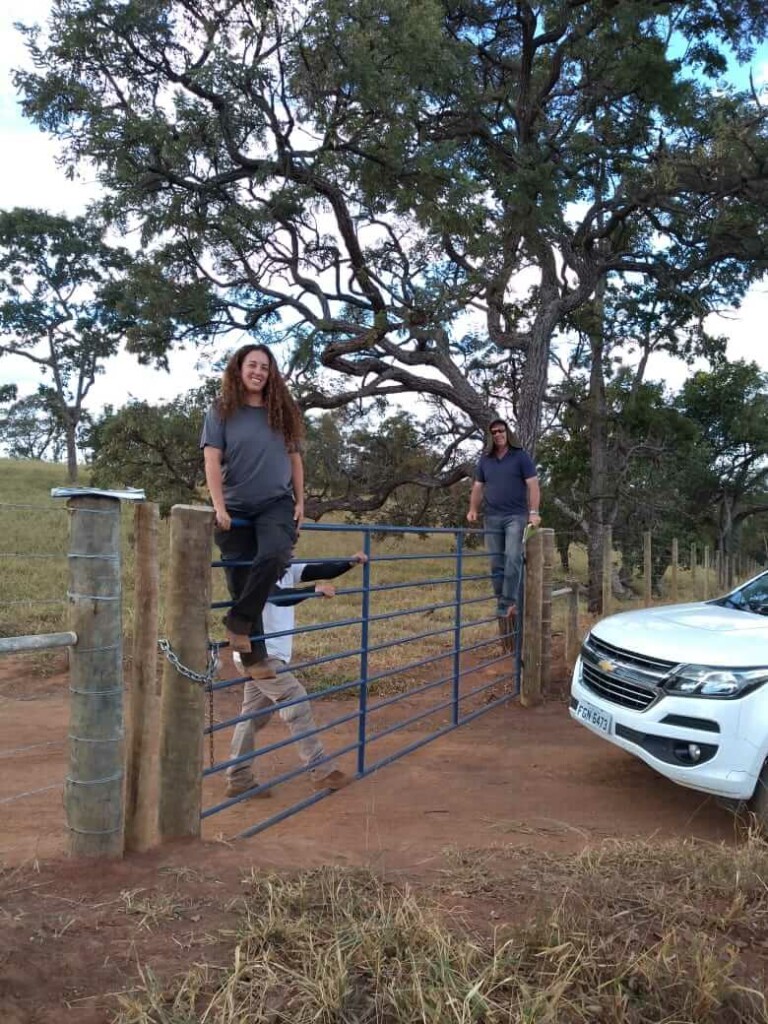
climbing-each-and-every-obstacle-togehter

Figure 6- Climbing each and every obstacle together. With Arno Van Staden

This success story of Giga is a remarkable example of great cooperation between R&D and Marketing”, Netta goes on to say: “We walked it hand in hand, with top synchronization that greatly contributed to the success of the project”. On top of everything, we have succeeded in creating excellent genetic material for other markets as well.
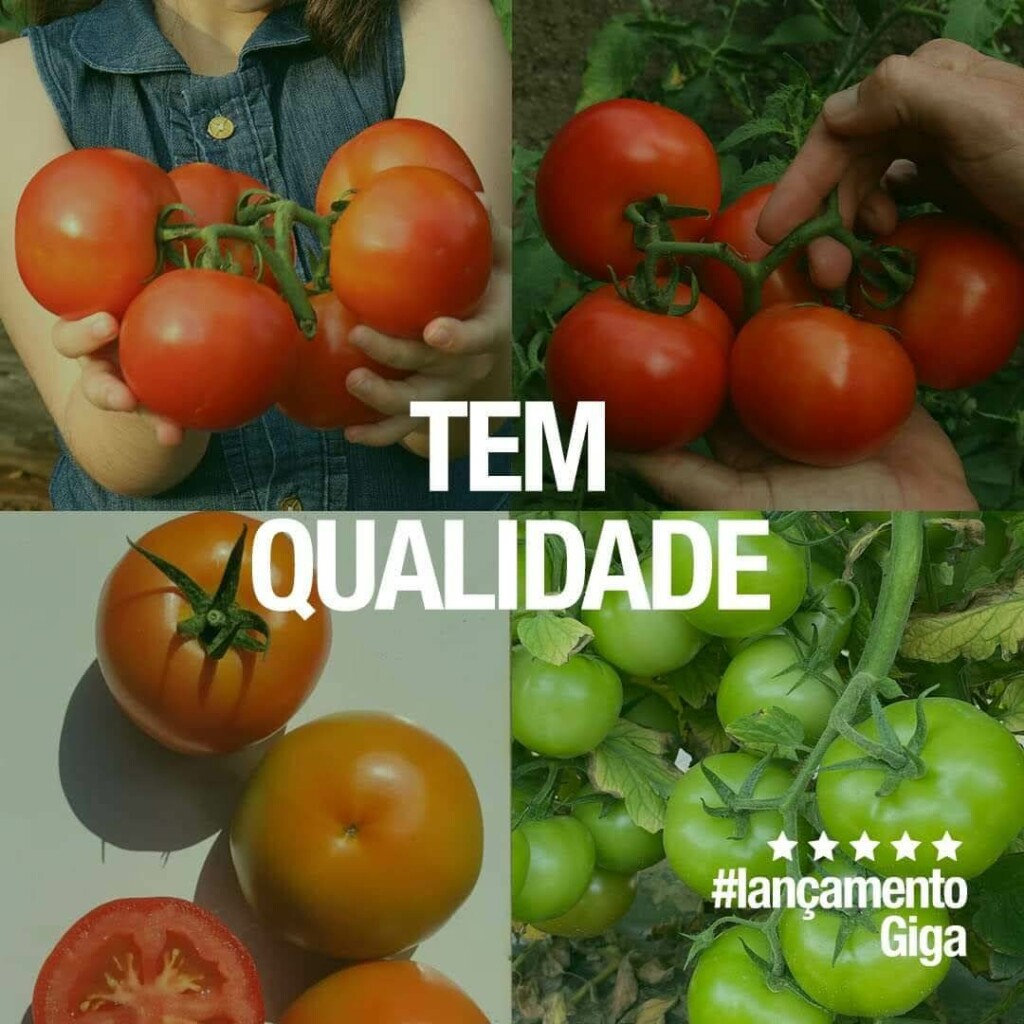
IROF

Figure 7- GIGA variety “Has Quality” launch 2022

“Tell us something about you that most people don’t know”

I like to cook but I don’t like fresh tomatoes- I prefer cucumbers. Also, I recently got my kibbutz’s “annual entrepreneur for the community” award for the farm work I do at my home village/
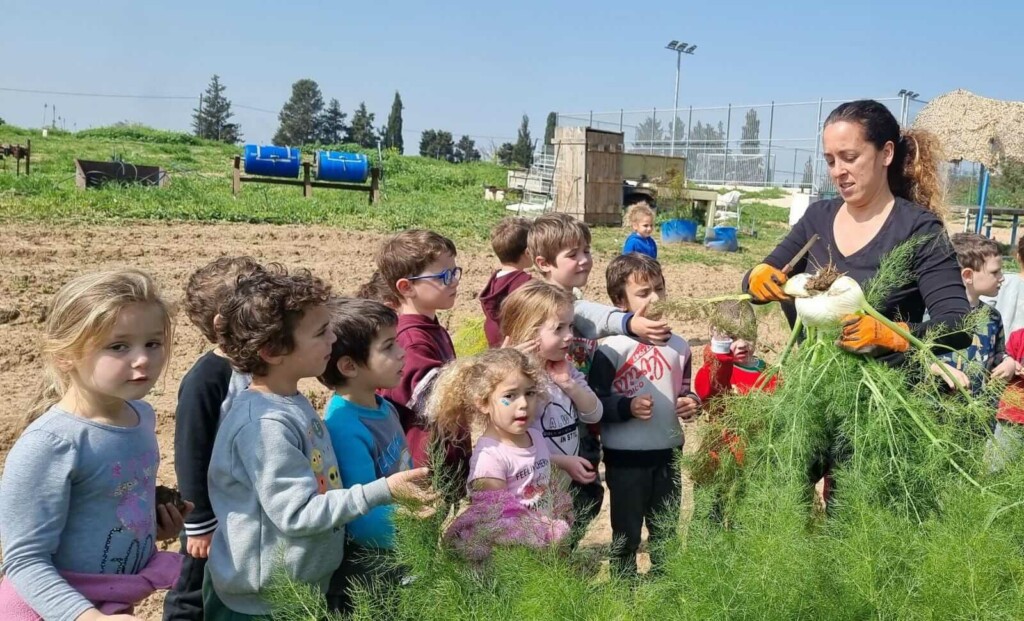
netta with the kids

Figure 8- Volunteer work farming for her community with the next generation

This short glimpse into Netta’s life and daily work truly showcase that breeding does run in one’s DNA.

Want to know more about our people?

Follow us on our social media channels to stay connected with our Hazera people! If you have any questions left, don’t hesitate to ask them via our contact page!

ToBRFV in Tomato Plants

by Dr. Yaniv Rotem – Solanaceae Pathologist, Hazera


General background

The Tomato Brown Rugose Fruit Virus – ToBRFV – is a relatively new viral disease, first appearing in the Middle East in 2014. The disease has since spread rapidly to many other areas in the world, and currently constitutes a major global problem in tomato crop production worldwide.

In Israel, all tomato production areas have been severely affected by ToBRFV, and the effects of the disease are evident both in the tomato greenhouses and fields, and in the quality and appearance of the fruits which are sold.


Symptoms of the disease

As a rule, the symptoms of the disease are similar to the typical symptoms of ToMV, but the severity of the symptoms can differ from that known with ToMV:

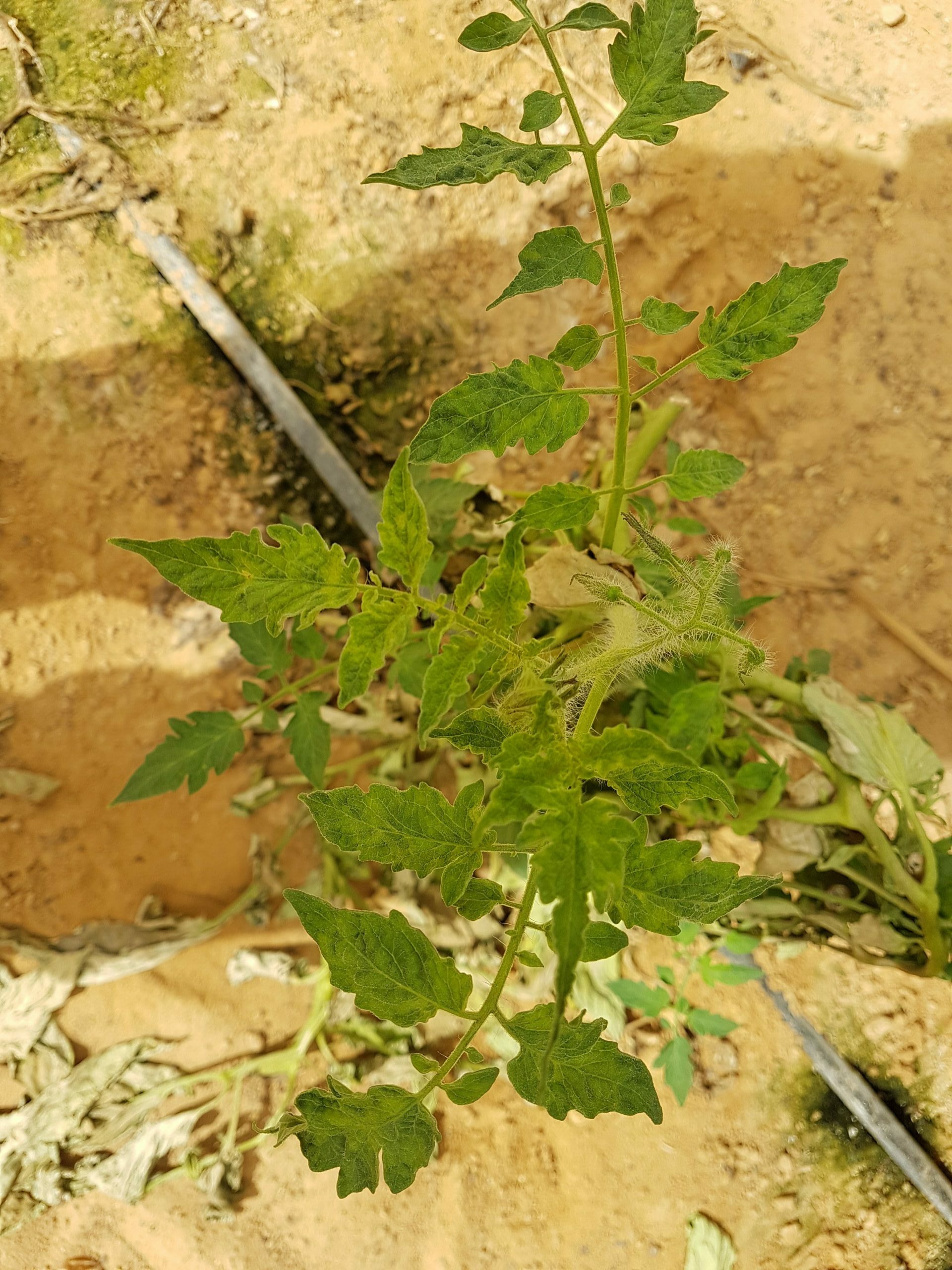
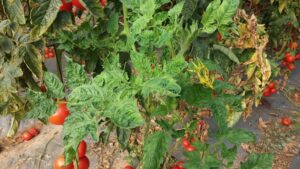
  • In the leaves – a mosaic appears, which is particularly noticeable on young leaves and at the growth vertices. In some cases, there is narrowing of the leaflet blade, and in certain cases the leaves become entirely threadlike (“shoestrings”).
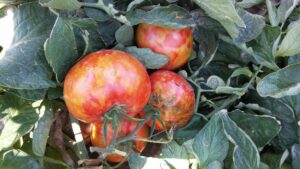
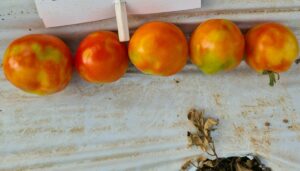
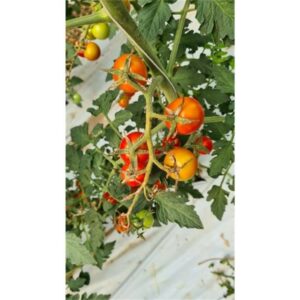
  • In the fruit – yellow spots develop which become necrotic at a later stage. In some cases, “chocolate spots” appear on the fruit. In cases of severe damage, the fruit becomes wrinkled and distorted. The virus name (“Brown Rugose Fruit”) was given due to the wrinkled appearance together with the brown spots.
  • Note that in contrast to the characteristic situation when affected by ToMV, in which symptoms generally appear in the fruit only in cases of particularly severe damage to the foliage, in the case of ToBRFV – there is no connection between the severity of damage to the fruit and severity of damage to the foliage: there are situations in which serious damage to the fruit is observed while no symptoms appear on the leaves, or vice versa – cases of severe symptoms in the foliage and lack of symptoms in the fruit.
  • In certain cases – necrosis develops of the calyx of the fruit, the fruit peduncle, and the central spine of the cluster of fruit.
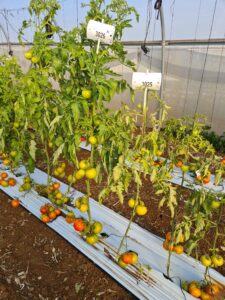
  • When a susceptible variety is infected with ToBRFV, the main damage is a significant weakening of the plant and its capability to produce clusters of fruits over a long season.

In the wake of the viral infection, tomato cultivation in Israel has changed entirely: due to the weakening of the plants, growers currently have almost no possibility to grow tomatoes in a long central season of 9-10 months as was customary before the virus’s appearance; instead, shorter growing seasons of 4-5 months are now customary, intended for harvesting a few clusters only.


Symptoms on leaves – severe mosaic and narrowing of some of the leaf lobes, to the point of appearing “thready”


Severe symptoms in the fruits

Symptoms of necrosis in the calyx, fruit peduncle and the spine of the cluster

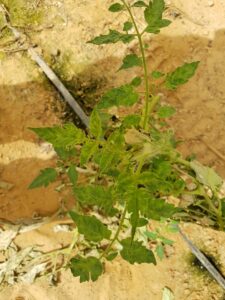
Weakening of the plant as a result of viral infection in a susceptible variety (on right) compared to a variety that is largely similar to it but is resistant to the virus (on left).


How is the disease transmitted?

  • ToBRFV is very easily transmitted mechanically – by human contact, by work tools, support wires, or any entity that comes in physical contact with an infected plant or soil that contains the virus and later comes in contact with healthy plants. It is important to remember that particles of this virus are particularly resistant to environmental conditions, and are capable of surviving for long periods in soil or on infected surfaces.
  • Since the virus is capable of surviving in soil for a long period – the virus is also transferred with infected soil that is moved from one place to another (by sticking to shoes, to work tools that are moved from one plot to another, etc.).
  • The virus is transmitted in seeds – a seed produced from an infected plant is likely to carry virus particles on its surface.
  • The virus can also be transmitted by bumble bees, which serve to pollinate during the cultivation process.


Prevention and treatment

  • Since the outbreak of the disease, Hazera together with Limagrain Group have been working on a comprehensive study of the issue, in which tomato varieties with intermediate levels of resistance to the virus were developed. The first patent in the world for resistance to ToBRFV was registered by Limagrain in 2017. Using these varieties provides an optimal solution for growing tomatoes in conditions of infections with ToBRFV, while maintaining the varieties performance.
  • Observing phytosanitary rules is key to preventing the disease:
    • Making sure to have clean clothes, jackets and gloves for those entering the greenhouses.
    • Making sure to sterilize all equipment used.
    • Sterilizing shoes in an immersion pit upon entrance to the greenhouse.
    • Being strict about the order in which buildings are entered – the workday begins with the buildings housing the young, healthy plants and continues to the buildings housing the more mature plants.
  • Plants in which infection is discovered should be immediately removed from the greenhouse, being careful to avoid contact with neighboring plants.
  • Using healthy seeds and seedlings is another key to preventing the disease. Hazera is strict about performing health tests in licensed laboratories, according to international standards and the Plant Protection Services. Checking that seeds are free of ToBRFV is done by the ISHI Protocol, which is the international protocol accepted throughout the world.
  • Being strict about good sanitization – sterilizing the soil or growth medium and the greenhouse space when cultivation is completed.

Hazera announces varieties with intermediate resistance (IR) to ToBRFV in pipeline- read about it here


Press Release: IR ToBRFV varieties in pipeline

Press release
August 2022

Hazera announces varieties with intermediate resistance (IR) to Tomato Brown Rugose Fruit Virus (ToBRFV) in pipeline

Hazera is proud to announce the launch of our ToBRFV intermediate resistant varieties- the optimal balance between protection and performance– providing the grower an effective tool to face the highly infectious virus, infecting tomato plants, fruit and affecting growers worldwide. The Tomato Brown Rugose Fruit Virus poses a constant threat to growers worldwide, significantly reducing yields, affecting the quality of fruit, and systematically infecting other plants, as it is a very transmittable virus that can infect through soil, tools, water, and people’s contact.

Since ToBRFV hit, Hazera’s R&D team has been working tirelessly to find varieties capable of giving an effective level of ToBRFV resistance without compromising the yield and fruit quality we’ve invested years to perfect. Over the course of several years, Hazera researchers and agronomists invested endless resources to find solutions to address our growers’ needs worldwide. Moreover, according to Alejandro Szechtman, Hazera’s Portfolio Marketing Director, “These efforts included in-depth trials in many locations, under different conditions in a global scale, to confirm that we are able to provide the optimal solutions, with the right balance between performance and ToBRFV protection”.

Hazera is proud to announce a wide ToBRFV resistant variety pipeline worldwide, with which we will be able to tailor-make the optimal solution per market requirement, beginning with Italy, Greece, Spain, Mexico, Turkey, Israel etc’.

Hazera, through Limagrain’s upstream research, contributed to a network of internal and external collaborative discovery projects on ToBRFV using different approaches. This resulted in Limagrain being the first company to file a patent on ToBRFV resistance in tomato in 2017. While the first generation of tomato hybrids resistant to ToBRFV is being commercialized, Limagrain discovery programs continue to work intensively to find resistances against potential emergent more aggressive forms of this devastating virus.

“Our R&D efforts haven’t ended, we’re still investing to achieve higher resistance, and expand our portfolio to the benefit of growers worldwide,” said Szechtman.

Hazera is a global leader in the seed industry. Hazera has headquarters in both the Netherlands and Israel. We operate subsidiaries in 11 countries, together with a distribution network serving over 130 markets. Our partners operate in all kinds of climates, and under diverse growing conditions and market requirements. For over a century, our top priority has been walking alongside them, developing an enormous variety of seeds and providing comprehensive support every step of the way. Hazera’s team of experts works directly with growers to evaluate their needs, assist during variety selection and provide guidance and support throughout the crop cycle.

Hazera is part of the Limagrain Group, an international agri-business based in France. Being a farmers’ cooperative, the Limagrain Group understands the needs of its customers and has grown to become the largest seed company in Europe, specialising in vegetables, field crops and cereal products. Limagrain’s vegetable seed division is the second largest company in the industry.

For more information about ToBRFV, click here

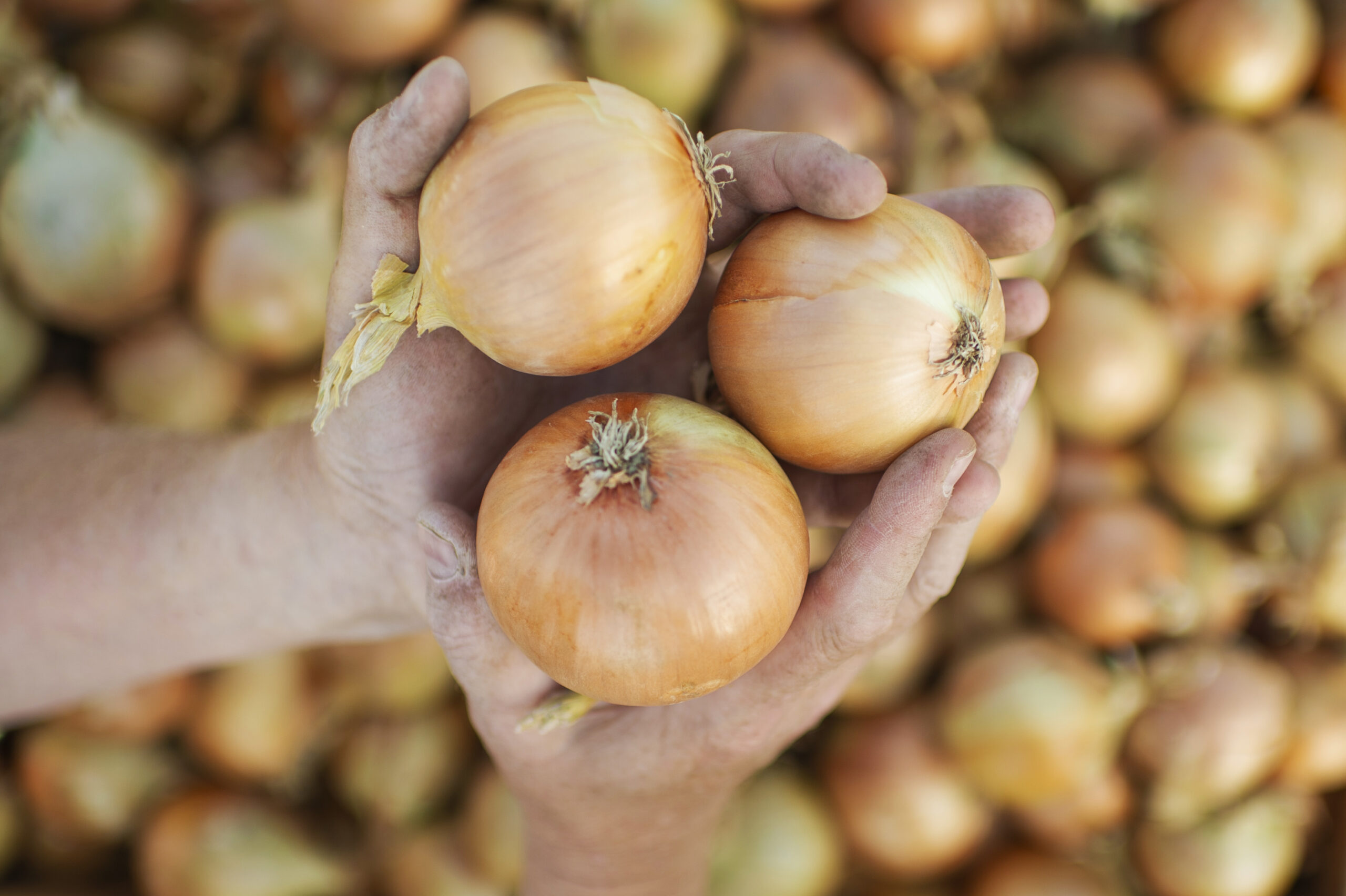
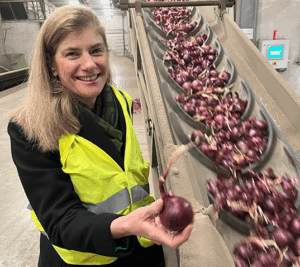
Primed seeds: the next step in top quality onion growing

Hazera has been developing and selling primed onion seeds since 2009. This experience translates into the market as the share of primed seeds is increasing. Many growers are discovering the benefits. Primed seeds can ensure faster crop development after sowing, more uniformity in the crop and final product and better quality onions. That is why it is also interesting for you.

(more…)

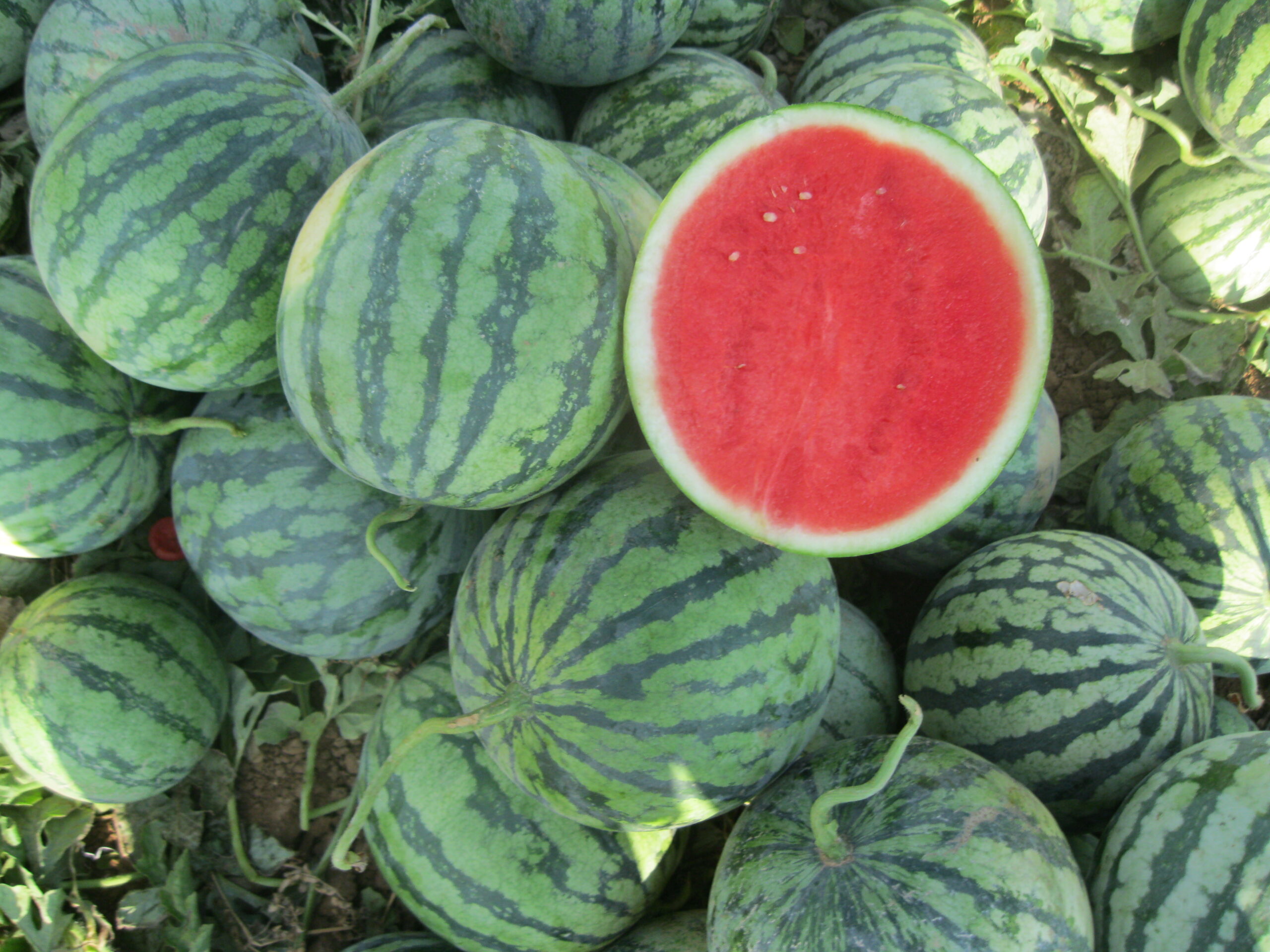
New watermelon varieties offering solutions for the chain

In recent years we have witnessed various trends in the consumption of vegetables and fruits.
One of the most notable trends is in the watermelon category.

Not inconvenient anymore
Watermelon was long perceived as inconvenient. Especially with decreasing households, watermelons were found too big, giving too much waste and too heavy to carry. Also the lack of good taste and quality was a reason for people to buy other fruits. With the introduction of the high quality, high tasting seedless mini and midi watermelons, consumption is increasing rapidly, in some countries over 10% in the last 5 years. Watermelons are used as a healthy snack, during dinner or lunch or as refreshing drink.

3rd choice of consumers
Watermelon is gaining popularity worldwide staying in the top 5 of fresh consumed fruits globally. In the European Union watermelon is the 3rd choice of consumers as refreshment after apples and oranges. In USA watermelon is 3rd choice after bananas and apples. With the COVID pandemic people started to focus even more on health. Another push forward for watermelon consumption.

Yearround offering
Hazera’s global experience in the watermelon industry provides solutions that fit the needs of all partners in the fresh chain now and in the future through close collaboration. Due to our intensive breeding efforts we are able to offer year round, high quality, high tasting watermelons.

New launches in Spain
Hazera launched 3 new seedless watermelon varieties in Murcia, Spain targeted for the South European watermelon producers:
Margay, a uniform, crunchy, great tasting midi watermelon with great feedback from Spanish retailers targeting 2 categories at the same time: fresh cut & fresh.
In the mini seedless category 2 novelties were highlighted for the Spanish production:
50037 a mini of 1.3-2.1 kg featuring excellent crunch and taste which was very well appreciated by retailers.
• Latest newcomer 50041 a nice, red round watermelon with excellent shelf life capacity is showing good results in both indoor in Almeria as well as the open field in Murcia.

Looking for more insights? Or curious on the solutions we can offer?
Contact us. We are happy to meet.

Mark van der Zouwen
Cucurbits Global Product Manager
Mark.van.der.zouwen@hazera.com

Arjan van Steekelenburg
Chain Manager Fresh Produce
Arjan.van.steekelenburg@hazera.com

Yoav Levy
Cucurbits Regional Product Manager
Yoav.levy@hazera.com


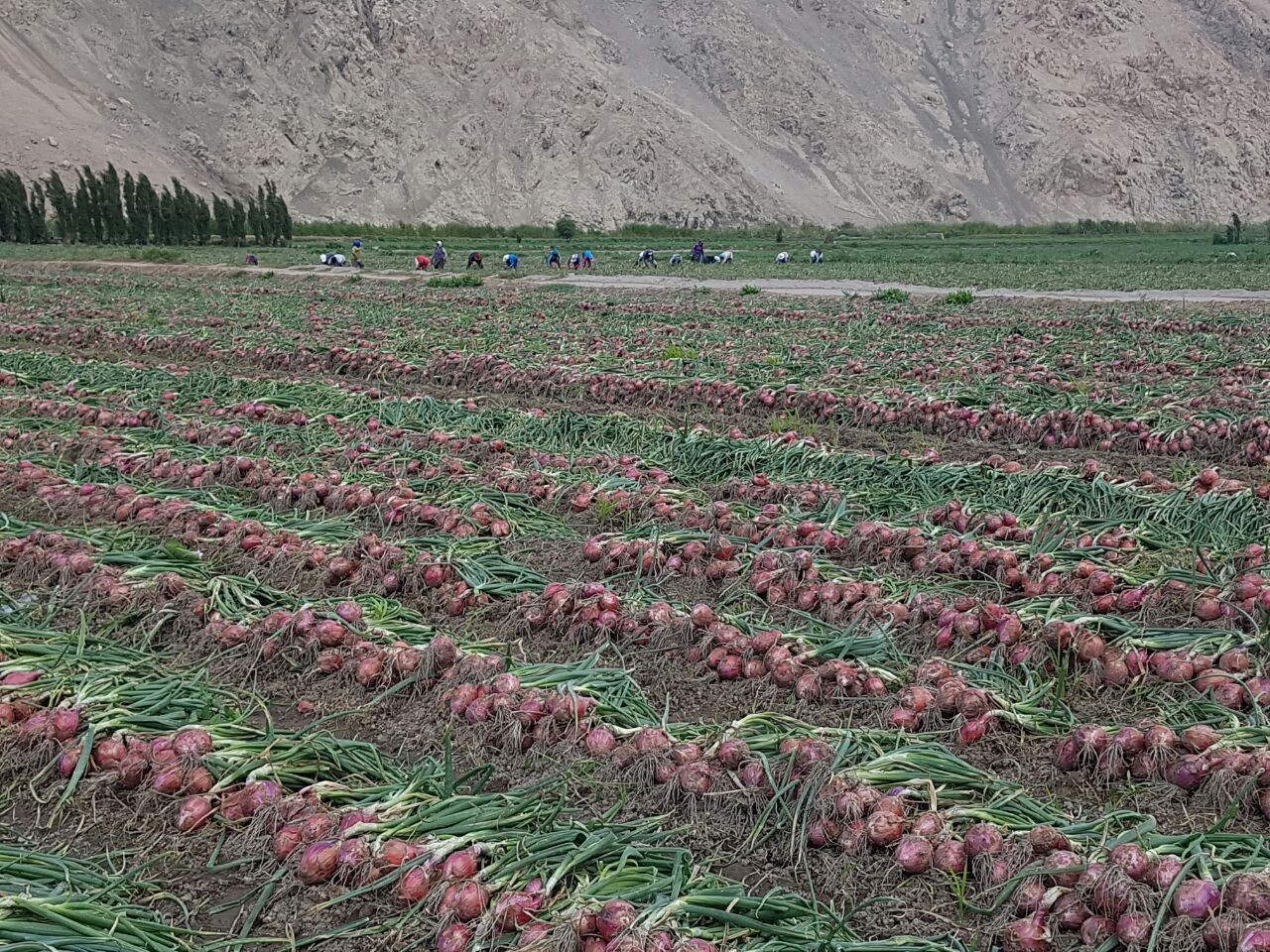
High quality and high yield, the golden combination for Hazera onions

Hazera, part of Limagrain Group, is a specialist in the development, production and marketing of onion seed. The breeders have been working on strong varieties of excellent quality since the 1950s. The distribution of new, improved onion varieties is a slow process that can sometimes take more than 25 years. It is therefore important to have a good vision of what the market needs. What are the trends?

(more…)