New collaboration: Innovative Tech for Monitoring Pollinators in Seed Production Fields

Hazera Seeds Ltd. and BeeHero Announce Collaboration to Evaluate Innovative Technology for Monitoring Pollinators in Seed Production Fields Around the Globe

The collaboration between Hazera and BeeHero will focus on BeeHero’s Pollination Insights Platform (PIP), whose aim is to provide farmers with precise information about pollination activity in seed fields

Tel Aviv, ISRAEL, January 15, 2025 – Hazera, a global vegetable seeds company and part of Limagrain Group’s vegetable seeds division, and BeeHero, the pioneer of data-driven precision pollination, announced a collaboration to evaluate BeeHero’s Pollination Insight Platform (PIP) for monitoring pollinators in seed production fields around the globe. This collaboration is the result of several years of joint efforts, including the use and evaluation of PIP in various seed fields.

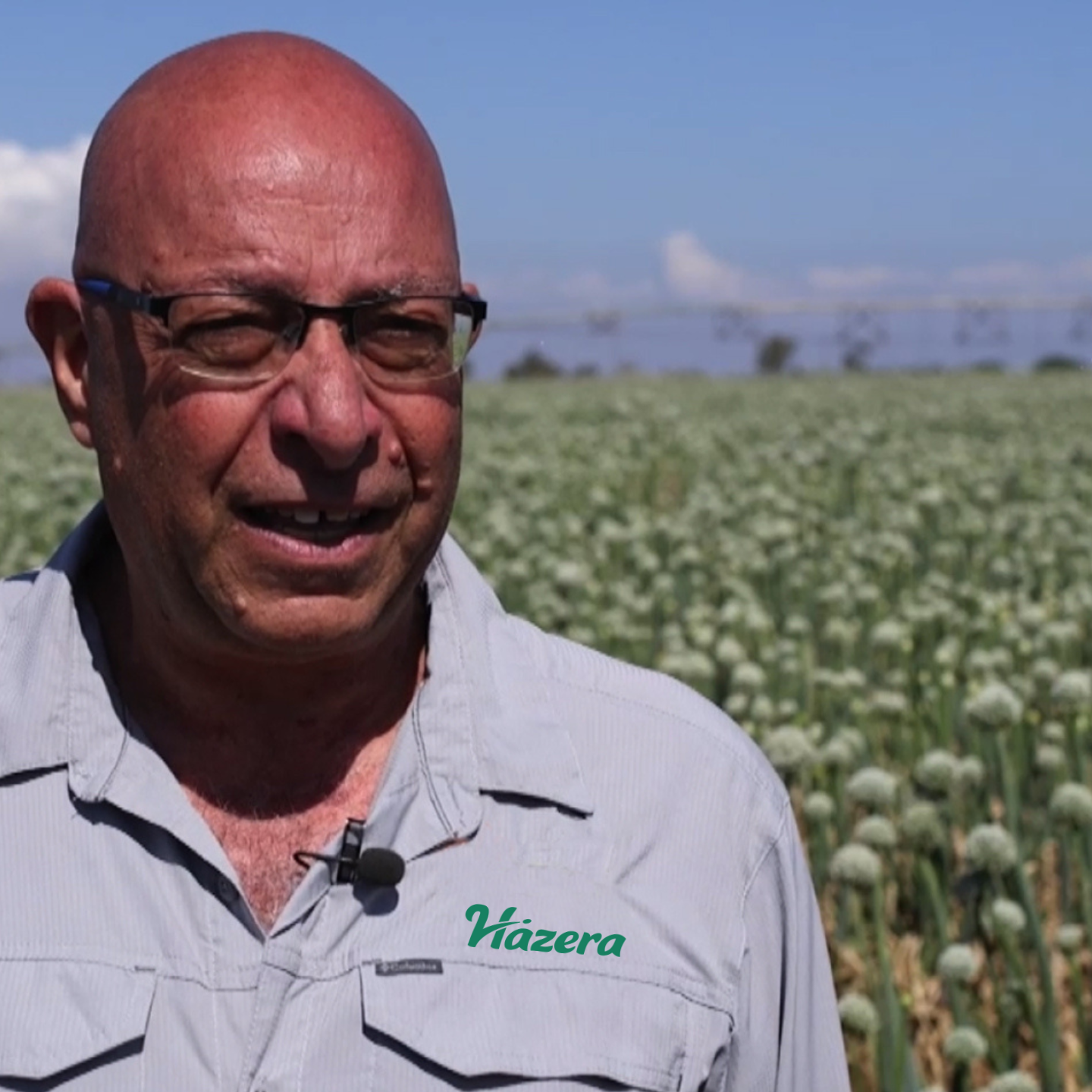
According to Avi Gabai, Production Research Manager at Hazera, “As a leading company in the vegetable seed industry and part of the global Limagrain Group, we are excited to collaborate with a company specializing in precision pollination. Our ongoing collaboration with BeeHero since 2019 demonstrates that BeeHero’s technology can address one of the most critical challenges in modern agriculture – pollination. Our collaboration has shown that BeeHero’s technology can improve pollination efficiency, hive quality, and address the issue of bee colony loss.”
Efficient pollination is essential for seed production and agriculture in general, affecting yield and crop quality. Approximately 75% of major food crops depend on pollinators, with the honeybee being one of the most important pollinators in nature. The modern pollination industry, based on the transportation of beehives to fields during the pollination season, faces challenges such as declining bee populations and hive strength. Therefore, improving pollination efficiency is crucial to ensuring crop yield and quality. This is equally true for crops used in seed production, which have high economic value and strategic importance for human survival.

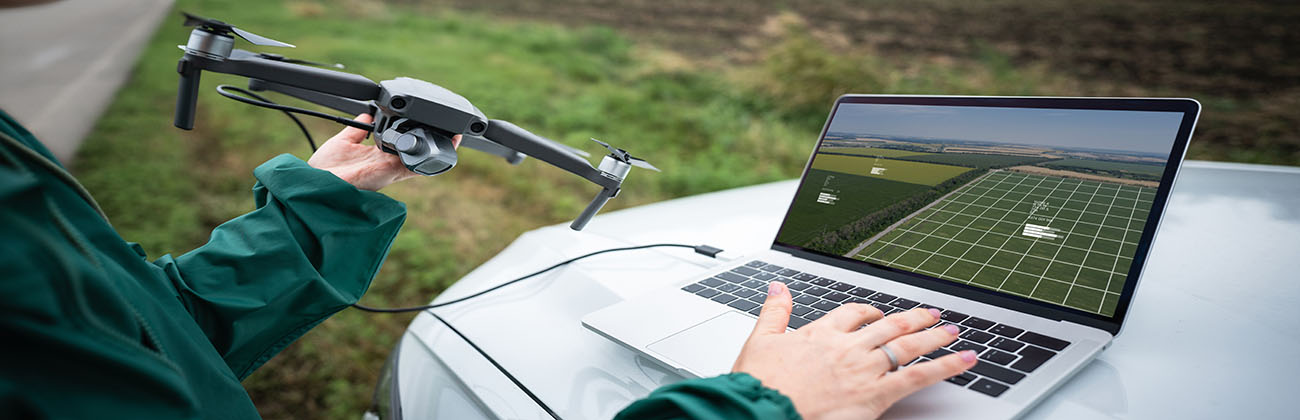
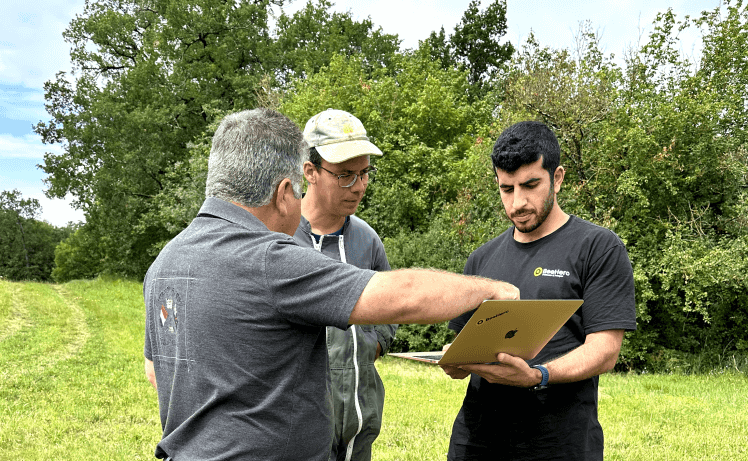
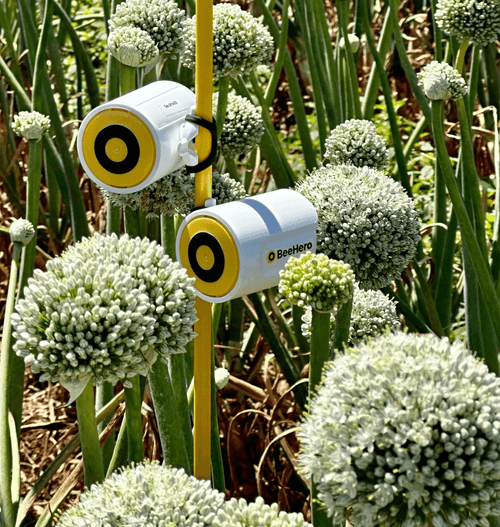
The Pollination Insights Platform (PIP) developed by BeeHero aims to ensure the pollination process and to provide real-time actionable information to farmers. This system includes IoT sensors installed in fields that collect various data on pollinator activity, the extent of flower visits where pollination occurs, and changing environmental conditions. This information is translated into actionable insights using artificial intelligence to improve pollination efficiency. Until now, this data was collected manually, partially, and inefficiently, so this solution can help farmers increase their overall productivity. The PIP system complements BeeHero’s in-hive sensors, enhancing their functionality.

The current collaboration between the two companies includes monitoring seed production fields in Israel and France, with plans to expand to additional regions in future seasons. The sensors installed in these fields measure bee activity, pollination distribution, bee behavior throughout the day, and other insights transmitted in real time to farmers, enabling them to maximize pollination capabilities in their fields – and consequently, the yield and quality of the seeds.
According to Omer Davidi, CEO and Co-Founder of BeeHero, “We are excited about our collaboration with Hazera, which combines extensive knowledge in seed production with advanced sensor technology and AI-based analytics to drive significant improvements in crop yield and quality while promoting sustainable agricultural practices. PIP allows for efficient pollination management for the first time, demonstrating how data and technology can advance an industry that has so far operated without measurement and transparency. We’re looking forward to continue working together with Hazera to optimize pollination for seed production and ensure the food supply for generations to come.”

Avi Gabai adds, “The heart of the collaboration lies in combining BeeHero’s technology with Hazera’s agricultural expertise. We support sustainable farming methods by improving bee health and ensuring more efficient resource use. Feedback we received from growers shows that data analysis from BeeHero’s system provided practical insights for beekeepers and farmers, and assisted them to optimize production methods and could potentially increase overall yield. By using BeeHero’s technology, we aim to increase seed yield and reduce yield volatility through remote monitoring of pollination activity.”

According to Gabai, “As part of the Limagrain Group, we promote innovative agricultural methods worldwide and implement them within the group. The collaboration with BeeHero represents a significant step forward in improving bee health, pollination efficiency, and advancing agricultural innovation.”
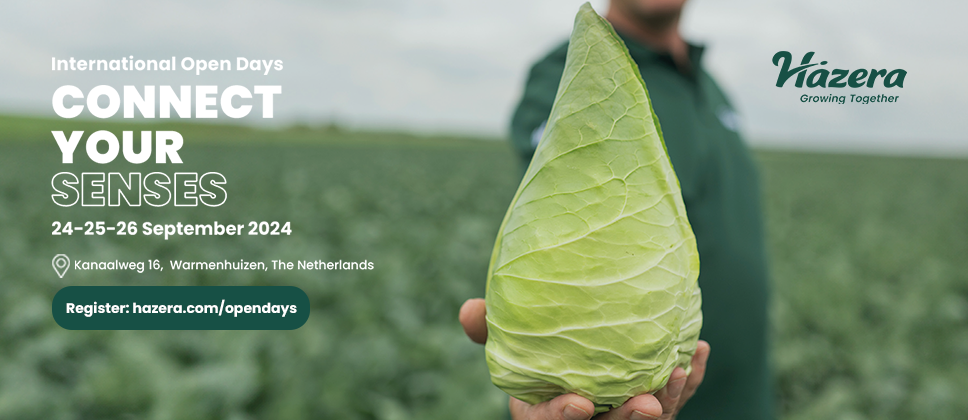
Hazera’s International Open Days: Showcasing our global portfolio to our partners & customers worldwide

Hazera’s International Open Days: Showcasing our global portfolio to our partners & customers worldwide

-Visit us & connect your senses-


Warmenhuizen, August 22nd – As Hazera, a leader in vegetable breeding and innovation, we are excited to announce our annual Open Days event. From Tuesday, September 24th to Thursday, September 26th. Growers, chain partners, and industry experts from around the world will converge at Hazera’s field in Warmenhuizen, The Netherlands

We are excited to grow together with you during our International Open Days. Connect your senses and experience our global range of varieties.

Hear our experts talk about our crops in the field and on display. Discover the latest techniques in mechanical planting and harvesting in our demonstrations.

What to Expect:

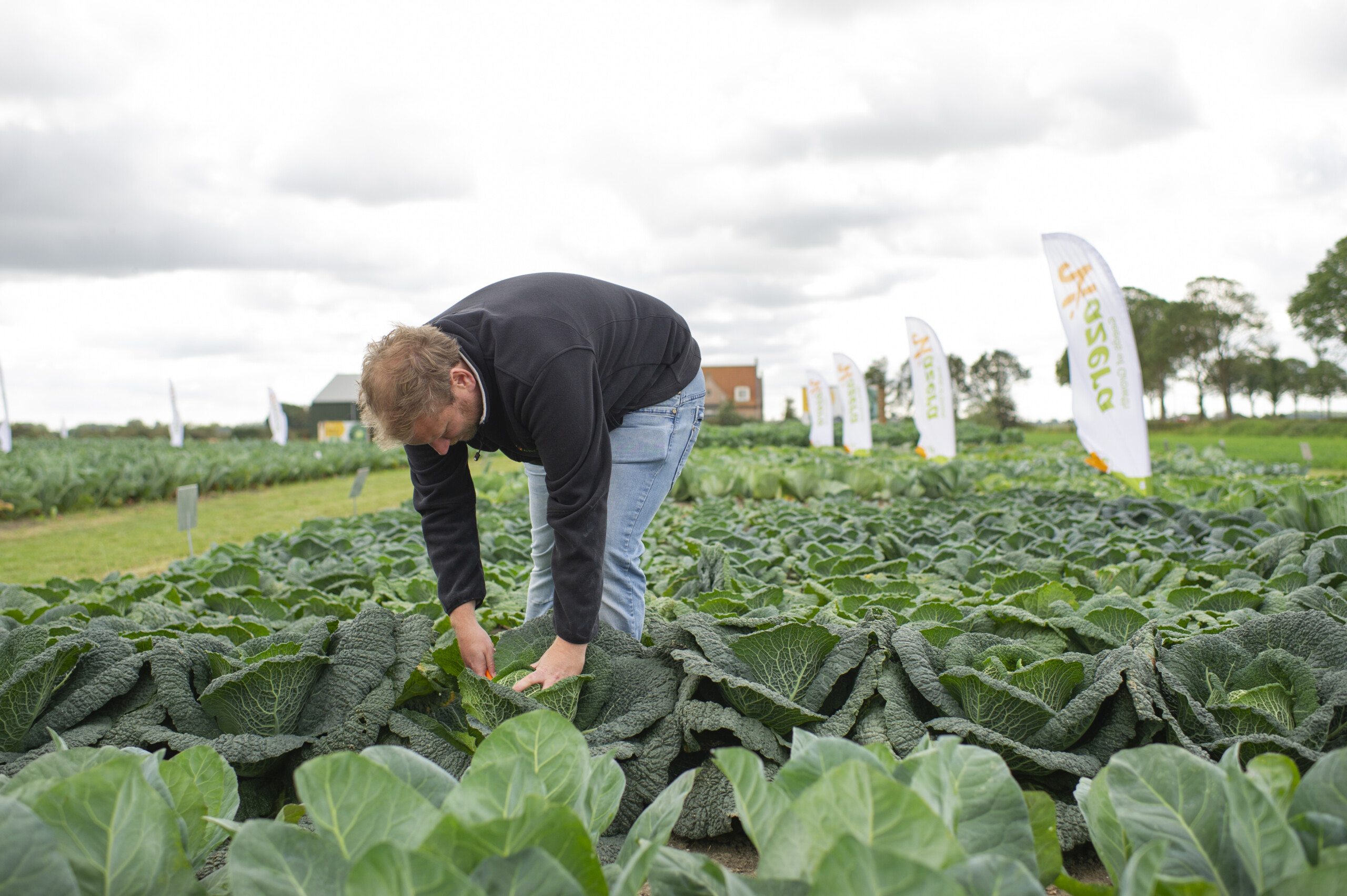
Open field varieties showcase: Visitors will have the unique opportunity to explore Hazera’s latest vegetable varieties. From all types of cabbages to leek, carrot, sweet corn and lettuce. In collaboration with HM.Clause and Vilmorin- Mikado. These varieties are meticulously developed to address challenges such as disease resistance, storage quality, yield, appearance, and taste. Our commitment to healthy and flavorful vegetables drives our continuous research and improvement efforts.

Innovative concepts: Hazera’s Open Days will unveil innovative vegetable concepts that prioritize taste, health, and ease of use. Notably, the extensive range of our ToBRFV tomato varieties and successful radish portfolio.

Fruited crops assortment: Inside the pavilion, we will showcase our tomato, cucumber and watermelon varieties. Visitors can explore the latest developments and innovations within these crops.

Guided tours and demonstrations:
Our product managers will be offering you guided tours showing you our latest varieties and sharing with you the latest information & insights. There will also be planting and harvesting demonstrations on the demo field in collaboration with Verhoest & Agriplant.

Event Details:
Dates:
24-25-26 September 2024. From 10.00 – 17.00
Location:
Kanaalweg 16 Warmenhuizen, the Netherlands
More information: www.hazera.com/opendays
The International Open Days are organized in collaboration with HM.Clause & Vilmorin-Mikado.

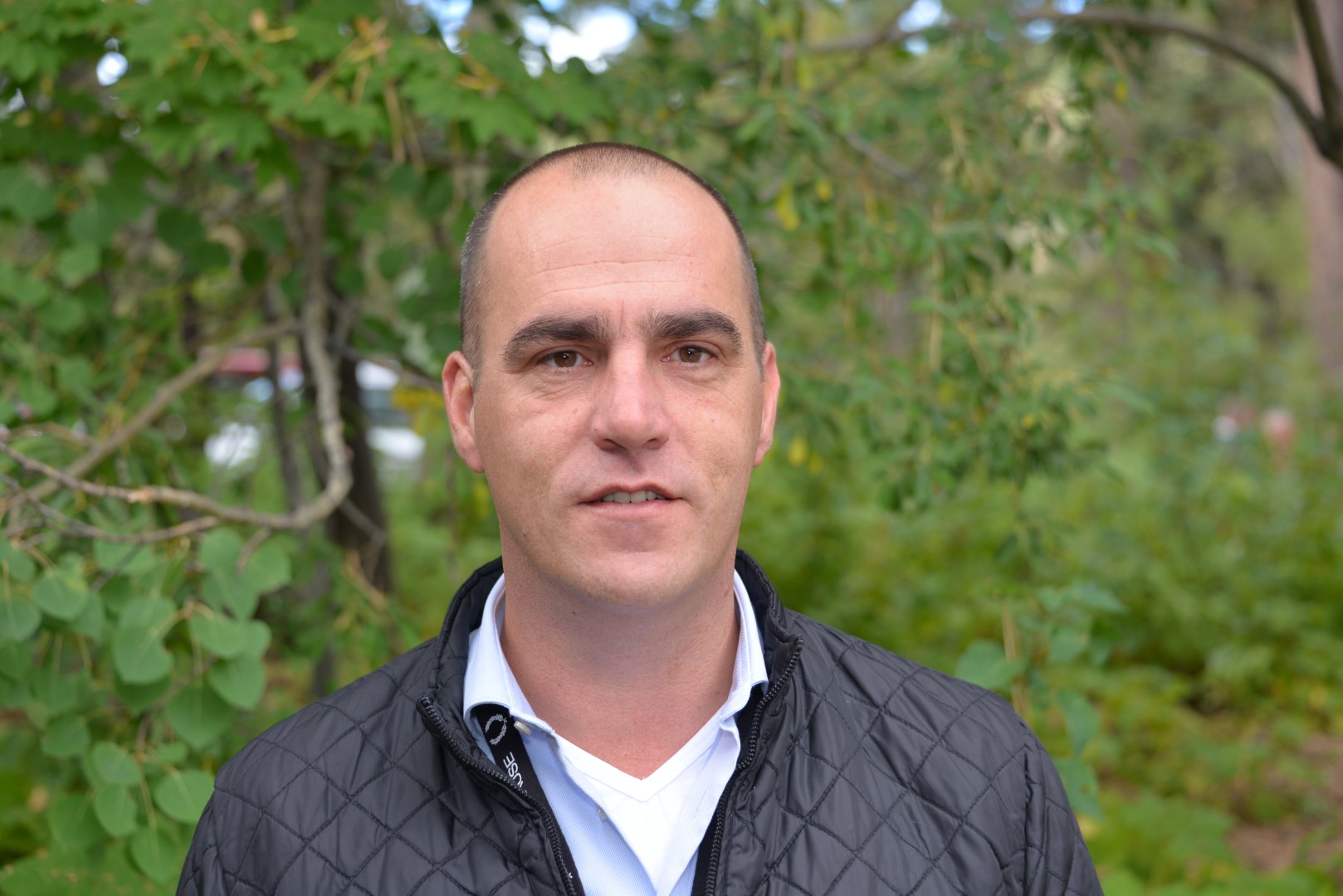
Hazera’s new head of commercial: Tom Antens

“We must strive for quality and excellence in all aspects, to truly make the difference”.
Tom Antens returned to Hazera on 1st July 2023 as Head of the Commercial Department. “Even though Hazera is a strong brand in many markets, there’s still a lot of room to grow and new markets to explore. I see a lot of potential”, said Tom.

Tom is 47 years old and lives in Baarle-Nassau, the Netherlands, with his wife and two children. He previously as Sales Manager for the Middle East, North-Africa and Oceania. He later joined HM Clause as Business Manager. “I was in charge of leading and structuring all business activities in Turkey, a fast-growing subsidiary, as well as the commercial activities in the Middle East and North-Africa”.
During the past four years, Tom has worked for HM Clause as Commercial Director for Turkey, Algeria, EMEA Export and Africa, overseeing sales for these high-growth markets. “In this period, I also fulfilled the role of board member of a joint venture that HM Clause had with Seed Co. in Africa. We worked to combine their established brand awareness on the continent and our products to cater for the rising needs of African growers for hybrid vegetable seeds.”

Team effort
Now, returning with significant experience, Tom is excited to be back at Hazera. “I’m looking forward to working with both new and familiar faces. My goal is to form a close-knit team and bring stability to the Commercial Department as I have done in previous roles. From there, we can explore new markets for our Hi tech and ToBRFV resistant tomatoes and strengthen existing ones, realizing our growth potential along the way.”

Strong potential
“I strongly believe that, within Hazera, we have the people, knowledge, ambition, and commitment to get the company to the place that I believe we can get to. In my opinion, Hazera has a big growth potential and I’m looking forward to taking on the challenge to achieve it with the team.”

Game changer
“The question I ask myself is: how do we make the difference?”. According to Tom, the answer is quality and reliability. “Hazera’s products are widely regarded to be innovative. But, to really understand why clients choose us, we must place them at the centre point; not just in the Commercial Department, but in all departments within Hazera. We can excel by listening carefully to our growers and translating their input in our innovations. By combining this with operational excellence, we can grow together and truly stand out from the competition.”

Continuous improvement keeps Hazera Seeds in the global top

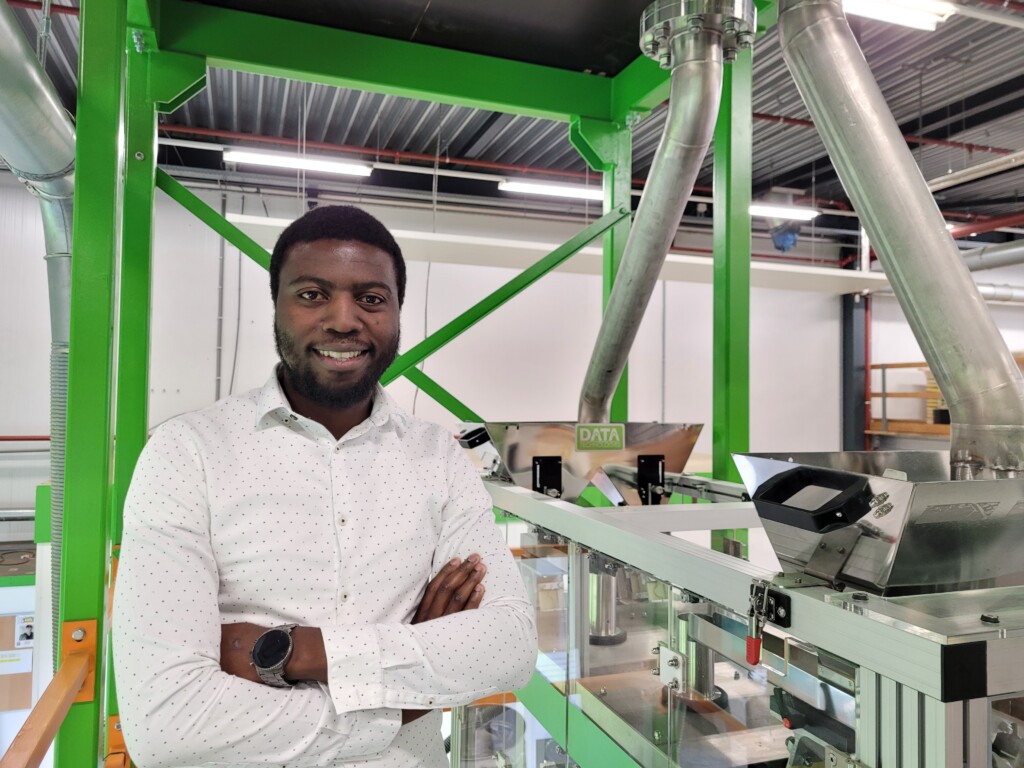
Hazera is committed to developing high-quality seeds that allow communities to flourish. To do that, Hazera focuses on continually improving its operational excellence in research, production, processing and quality for both customers and employees. “We deliver the best to our customers, and we want to keep it that way”, says Tyrrel Chisenga, Seed technologist. “We put in a lot of effort, but there is always room for improvement.”


“We breed for new varieties, and multiply seeds for growers and farmers alike”, Tyrrel explains. “After production, we perform extensive quality control tests to confirm that our seeds meet the commercial quality standards. Based on the various tests that we execute, we initiate processing activities to ensure that we deliver quality. We also take care of physiological enhancement to ensure seedling vigour and establishment even under sub-optimal conditions. Our efforts are to make sure the seeds that our farmers sow and nurture into a crop, grow and eventually end up as delicious vegetables in supermarkets across the world.”

Quality control and Seed technology
Quality control and Seed technology are an indispensable component for Hazera when it comes to making sure we deliver the best quality. “Nature comes with its challenges and when we encounter challenges that may compromise the final product quality after production we initiate research into the causes and solutions”, says Tyrrel. “Such research may encompass  physiological, physical, health, genetic aspects of the seeds or efficiency of processes. Everything we do is to ensure optimum quality for our customers.”

On top of the game
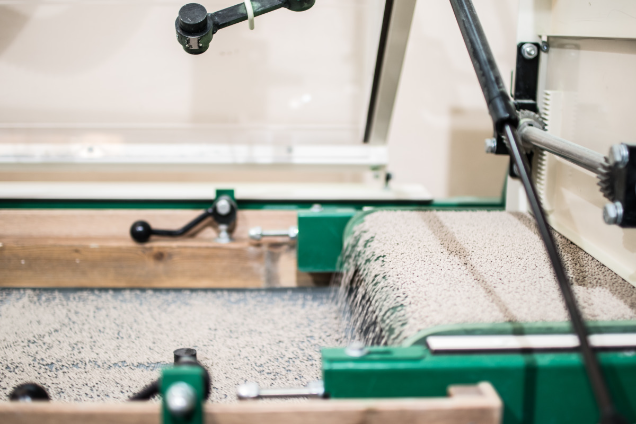
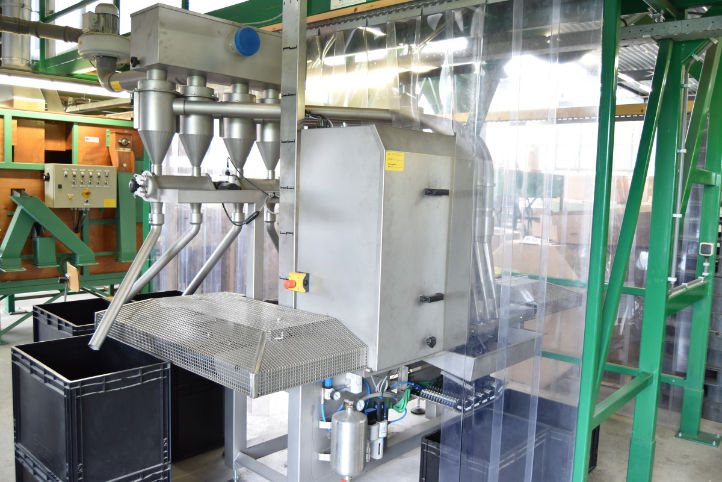
Even though Hazera adheres to the commercial quality standards and guarantees quality, there is always room for improvement, Tyrrel finds. Hazera invests in continually improving seed quality. “These investments include machinery for seed enhancement, automation of processes and the use of imaging systems for better inline decision making. Additionally, there are improved protocols with reduced lead times. We introduced the Lean management system in our processing plants. We created a work environment that allows the smooth and fast flow of processes and at the same time reduces work load. This allows us to cater to the needs of our customers in a brief period.”

For Hazera, its employees are on the same pedestal as the customers. Tyrrel: “The most important thing for the welfare of our employees is to make sure that their work remains interesting and safe. That is why we made a new tomato pelleting formulation that is safer for our employees to apply. It also results in improved sowability and seedling performance.”

Want to know more?

Follow us on our social media channels to stay connected with Hazera and our continuous improvement! If you have any questions left, don’t hesitate to ask them via our contact page!

Plant-based eating is here to stay

In 2022, plant-based eating is here to stay. According to Bloomberg Group, global retail sales of plant-based foods are on track to reach $160 billion by 2030, up from $29 billion in 2020. Meanwhile, research by The NPD Group has found that 19% of consumers are looking to add more plant-based foods to their diet.

However, the plant-based market is more fragmented and complex than it often appears – and it’s evolving month by month. We look at some of the current trends shaping the market and what they mean for growers.

1. Flexitarianism flexes its muscles
The biggest sources of demand for plant-based products aren’t vegetarians or vegans, but rather people choosing to eat less meat. According to one study, 89% of plant-based users don’t consider themselves vegan or vegetarian. This is good news for crop farmers: “flexitarians” who still consume animal proteins may be less hungry for so-called “meat alternatives”, and more likely to stick to traditional plant-based foods such as vegetables, grains and pulses.

2. When two trends converge
Clean/organic eating and plant-based consumption were once considered separate movements, but we’re now seeing signs of convergence. In other words, health-conscious consumers seem to be moving away from more complex, processed plant-based products toward simpler, healthier alternatives. Rather than fake-meat burgers, think more cauliflower steak. There’s data to support this, with global avoidance of plant-based protein estimated to have doubled between 2019 and 2021, according to Hartman’s ‘Health + Wellness’ report.

3. Sustainability matters
And it’s not just about health. Growing environmental awareness at consumer level is also driving the trend toward more wholesome local produce. Going forward, Western markets may see increased demand for “low-carbon” vegetable categories (like brassicas, onions and leeks) in place of mostly imported crops such as avocados and soybeans.

4. Innovation, innovation, innovation
Though simple is often best, there’s no shortage of innovation in the plant-based sector. A particularly interesting trend is that of “hybrid foods” – burgers and nuggets, for instance, that include a blend of meat and vegetable products. This may also favor growers, as hybrid foods open up new paths to increased vegetable consumption.

As you can see, things change quickly in the plant-based world. At Hazera, we keep our finger on the pulse and provide solutions to help our customers navigate today’s fast-evolving consumer landscape. Contact us today to see how we can support your business.

Food tech trends to be aware of

The food industry isn’t short of challenges right now. Growers face rising fertilizer prices and the effects of climate change, while food providers are dealing with increased transportation costs and low consumer sentiment.

Thankfully, innovators have developed a range of solutions to combat these difficulties and bring agriculture into the 21st century. These four are firmly on our radar …

(more…)

Brassica Days in the Netherlands

The annual International Open Days in September are a long and well-known tradition. For many years we have presenting our full product range to international customers in the famous week 39. But times are changing. That’s why we decided to have a more focused scope on our Brassica portfolio this year. So the International Open Days will become the International Brassica Days, which can be visited upon appointment.

Local conditions and customers’ needs vary. The new approach this year to have a more focussed scope will help us to even better understand your needs and wishes. It will give us the opportunity to have more in-depth talks with you on our Brassica portfolio, the challenges you encounter, to give more technical advice for your area and to share the latest market trends and insights.

Brassica in the spotlight
The Brassica Days will take place from 27th until 29th of September in our breeding station in Warmenhuizen, The Netherlands and can be visited upon appointment. The event will focus on Western and Eastern Europe, Balkans and USA. During this event we will present our varieties on our demo field and visit our trial fields. We will talk about challenges in labour and present mechanical harvest solutions. The preparations for this event are in full swing. We are happy to keep you posted on the exact details of the program!

Plant viruses: Prevention rather than cure

What Plant Viruses Can Teach Us About Human Viruses – COVID-19.
Over the years, Hazera has acquired knowledge and practices to fight potential pests and viruses that threaten the yields and the quality of our products.
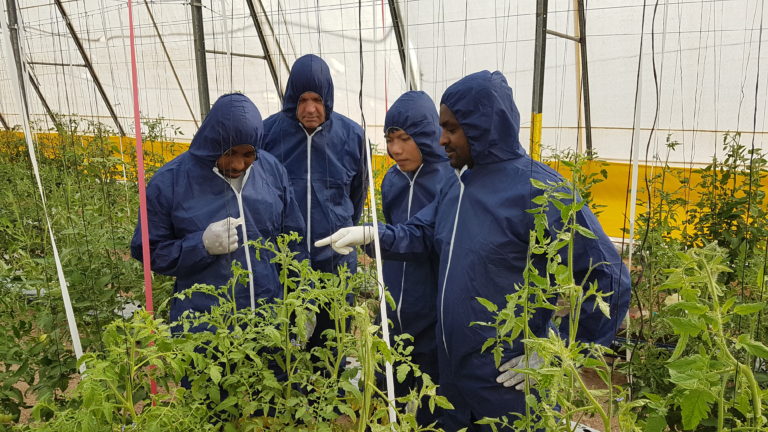
Globalization has driven the worldwide spread of biological material, and with it infectious plant diseases. For most plant viruses, there’s no cure – only prevention. Many of the measures used to fight human viruses, like COVID-19, are also effective against plant viruses. Effective disease management starts with knowing your pest, and then applying reliable and professional detection methods to catch diseases early. This includes employing a robust methodology for sampling and monitoring the affected plant population.

MDM: A key preventative approach
However, the most effective strategy is always avoidance or prevention through proper hygiene. This means taking steps to prevent the virus from spreading via contact with surfaces, clothing, tools – and even smartphones. At Hazera, we advise taking the following preventative approach, known as MDM:
Measures – use of disinfectants, gloves, coats, masks, coveralls and additional protective steps
Discipline – everyone follows the guidelines and instructions strictly and precisely
Management – the process is led by professionals backed by the full commitment of the top administrative level
The MDM strategy depends on the firm commitment of all those involved. Just one person not complying can be enough to cause an outbreak or the secondary spread of a disease.

Hazera’s experts are happy to provide more information on preventing viruses and diseases in your crop. Do not hesitate to contact us.